
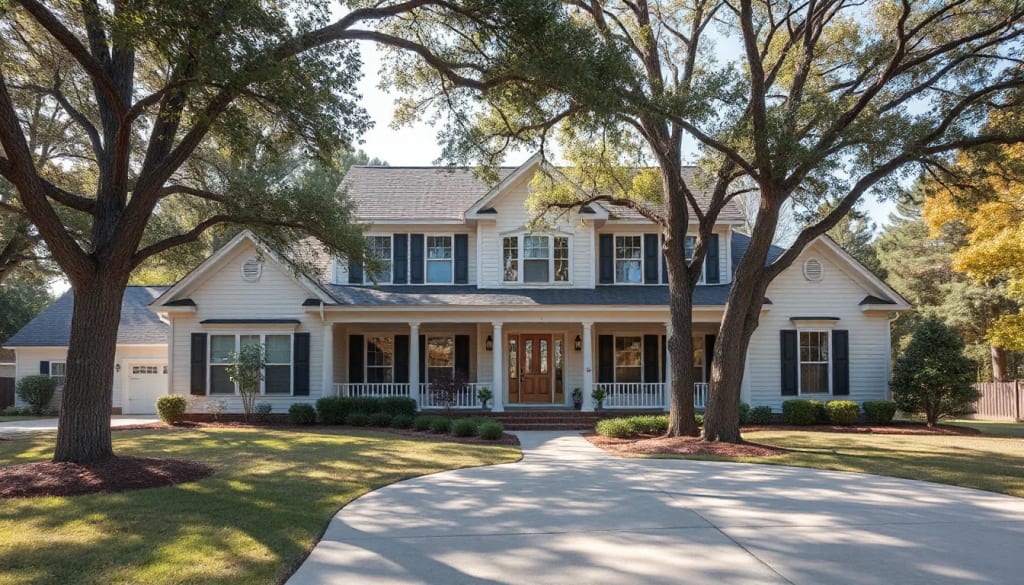
Rental Income Potential in Darien and Townsend: How to Evaluate Coastal ROI
Rental Income Potential in Darien and Townsend: How to Evaluate Coastal ROI
Coastal real estate can be compelling for investors, but strong returns usually come from disciplined analysis rather than postcard views alone. In markets such as Darien and Townsend, evaluating rental income potential means looking closely at seasonality, operating costs, purchase price, local demand patterns, and the type of property that performs well over time. The most useful approach is to balance the appeal of waterfront and near-water housing with a realistic review of cash flow, maintenance, and long-term resale value.
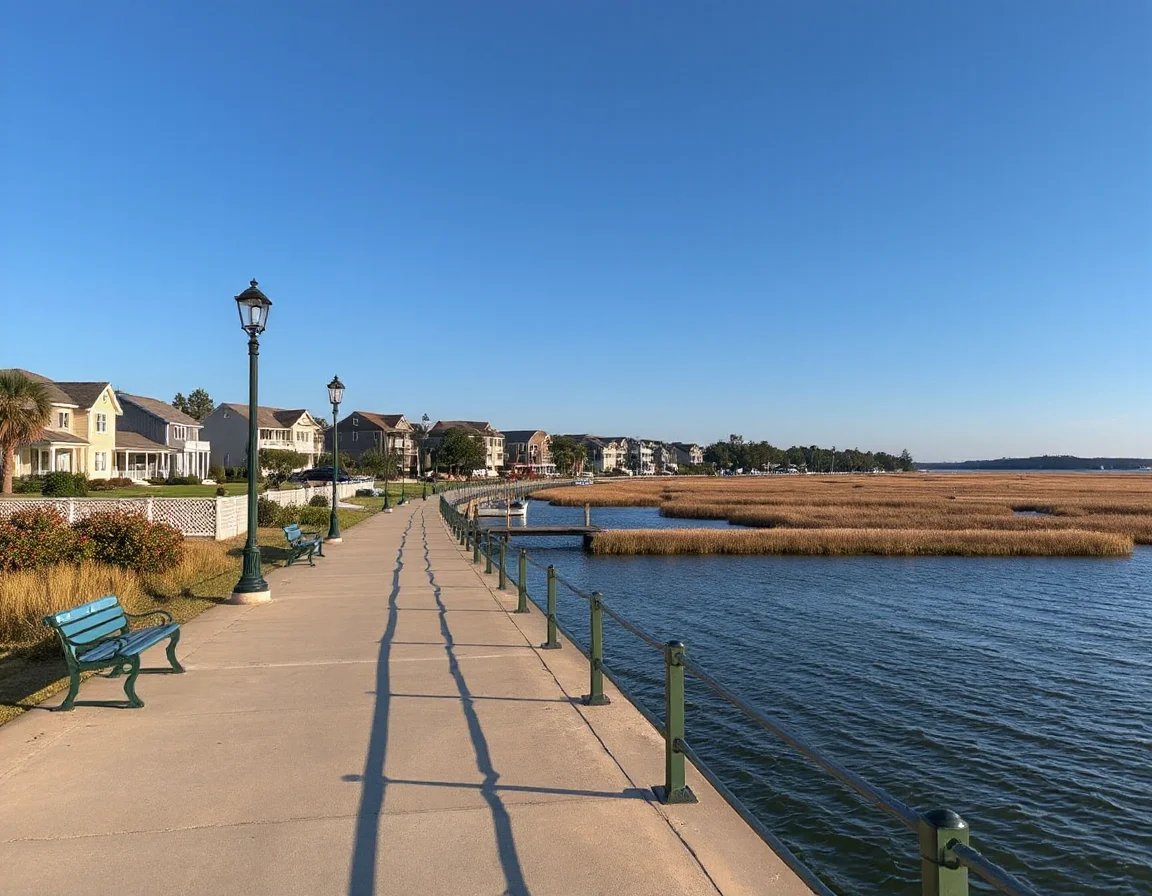
One of the first questions to ask is simple: what kind of renter demand exists here, and when? In many coastal areas, demand can shift notably by season. Short-term visitors may drive peak rates during warmer months or fishing and boating seasons, while longer-term tenants may provide steadier occupancy in the off-season. That means the same property can produce very different annual results depending on whether it is positioned as a vacation rental, a furnished mid-term option, or a traditional lease. Investors comparing Darien and Townsend should pay attention to proximity to marinas, waterfront access, historic districts, regional employers, and transportation corridors, since those factors can influence booking frequency and lease stability.
Purchase price is only the starting point. To estimate true ROI, build a property-level projection that includes principal and interest, taxes, insurance, utilities if owner-paid, property management, turnover cleaning, repairs, reserves for capital expenses, and vacancy. In coastal environments, insurance and maintenance deserve extra scrutiny. Salt air, humidity, storm exposure, and elevated wear on roofs, decking, HVAC systems, and exterior finishes can change the operating picture significantly. A home that looks attractive on a gross-rent basis may feel much less impressive after realistic annual upkeep is added to the spreadsheet.
It also helps to compare gross yield and net yield side by side. Gross yield gives a quick snapshot of revenue relative to price, but net operating income tells the more useful story. Investors often find that homes with strong visual appeal but high carrying costs can underperform a less dramatic property with easier maintenance, practical layout, and reliable occupancy. In many cases, features such as updated kitchens, durable flooring, parking, outdoor storage, flexible bedroom configurations, and low-maintenance landscaping matter just as much as a premium view when guests or tenants are deciding between listings.
What to Analyze Before You Make an Offer
A thoughtful underwriting process usually includes both local market data and property-specific details. Start with recent lease comps and, if applicable, comparable short-term rental performance from similar homes in the immediate area. Look at average nightly rates, occupancy by month, minimum stay patterns, cancellation trends, and guest expectations for amenities. Then compare those figures with a conservative scenario rather than a best-case one. If the numbers still work when occupancy softens or expenses rise, the investment may have staying power.
Another key factor is the relationship between location and usability. A property near waterfront recreation, public boat launches, trails, and dining destinations may enjoy stronger visibility, but access and logistics still matter. Is there sufficient parking? Is the route easy to navigate for visitors? Does the layout support multiple occupants without feeling crowded? Can outdoor spaces handle coastal weather with minimal upkeep? These details influence reviews, repeat bookings, and long-term maintenance costs, all of which feed back into ROI.
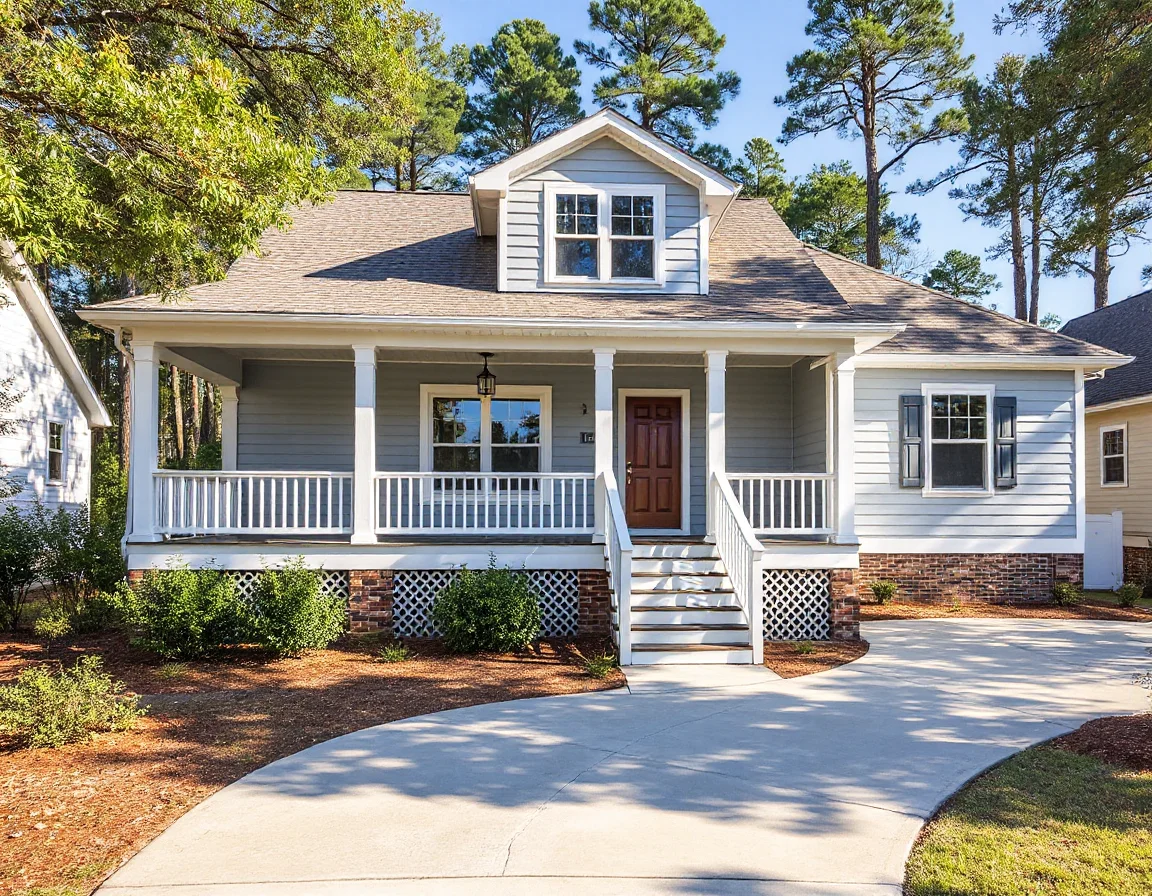
Townsend and Darien can also reward investors who think beyond immediate cash flow. Some buyers are drawn to properties that offer a combination of personal use, rental flexibility, and future appreciation potential. In that case, ROI should include more than monthly income. Consider the likely resale audience, the condition of neighboring properties, and whether the home has features that remain attractive across market cycles. Waterfront-adjacent parcels, updated cottages, and homes with room for outdoor living often stand out, but only if the pricing aligns with realistic rental demand.
Regulations and management strategy deserve equal attention. Before moving forward, verify any rules affecting rental duration, occupancy limits, permitting, and tax collection. If you plan to hire a manager, ask about local experience, guest communication standards, maintenance response, and pricing strategy during shoulder seasons. If you plan to self-manage, account honestly for the time involved. A coastal rental with frequent turnovers or storm-related maintenance can require more oversight than a standard long-term lease. The right management model can preserve reviews, reduce downtime, and keep net income more predictable.
For buyers evaluating schools, recreation, and overall area appeal as part of resale strength, focus on objective amenities rather than assumptions about future occupants. Access to public waterfront areas, regional parks, historic attractions, dining options, and everyday conveniences can all support property desirability. The same is true for practical considerations such as internet availability, grocery access, commute routes, and healthcare proximity. These are concrete market factors that help shape rental demand and future buyer interest without relying on broad generalizations.
A Practical Coastal ROI Checklist
When comparing opportunities in Darien and Townsend, use a checklist that keeps emotion in check:
- Revenue assumptions: Base rent or nightly rate on recent comparable performance, not aspirational pricing.
- Occupancy assumptions: Model peak, average, and slower periods separately.
- Insurance and weather exposure: Get real quotes early and review flood considerations where relevant.
- Maintenance profile: Estimate recurring exterior upkeep, pest control, HVAC servicing, and reserve funds.
- Management structure: Include local management fees or the value of your own time.
- Exit strategy: Consider resale appeal, not just near-term income.
Investors who approach these markets with patience often discover that the best coastal purchase is not always the most dramatic listing. Sometimes the stronger performer is the well-located home with manageable expenses, updated systems, and a layout that serves a broad range of rental needs. That balance can support steadier occupancy, better reviews, and fewer surprise costs over time.
Ultimately, rental income potential in Darien and Townsend comes down to matching property type with real demand and verifying that the numbers hold up after every major expense is counted. A careful ROI review can turn a beautiful coastal purchase into a disciplined investment decision. When the location, price, condition, and operating plan all work together, these markets can offer more than charm on closing day—they can provide a clearer path to durable performance in the years ahead.