

Waterfront insurance on Tolomato Island can affect monthly costs, closing timelines, and even how buyers compare two otherwise similar homes. Before you list or make an offer, it helps to understand flood coverage, wind exposure, elevation details, and the documents insurers may request. A little prep up front can make pricing, negotiations, and due diligence far smoother.
Why insurance matters early in a Tolomato Island transaction
On a coastal property, insurance is not just a box to check at closing. It can shape affordability, influence buyer confidence, and affect how quickly a sale moves from contract to the finish line. For waterfront homes on Tolomato Island, the biggest questions usually center on flood risk, wind coverage, deductibles, and whether the house has features that help reduce exposure to storm-related claims.

That is why buyers benefit from requesting insurance information early, and sellers benefit from organizing it before the property goes live. A buyer who learns the likely premium, flood policy structure, and wind deductible in the first phase of the search is better positioned to judge the true carrying cost of ownership. A seller who can provide elevation certificates, prior premium information, and details about roof age or storm protections often removes uncertainty that might otherwise slow down an offer.
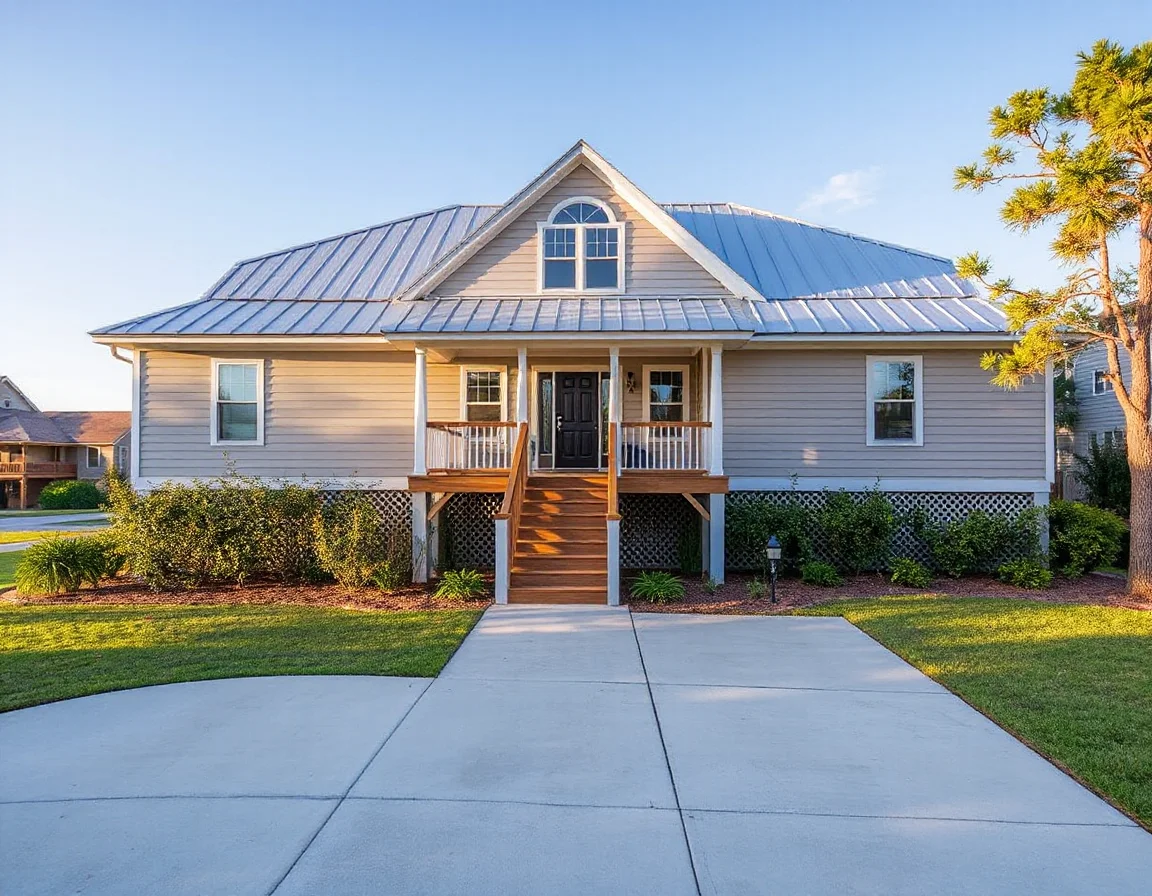
In practical terms, two homes with similar square footage and waterfront views may carry very different insurance costs. One may sit at a more favorable elevation, have newer roofing materials, impact-rated openings, updated mechanical systems, or a claims history that looks cleaner to an underwriter. Those details rarely show up in listing photos, but they matter.
For waterfront properties, insurance shopping works best before the inspection period ends. That timing gives buyers room to compare quotes and understand whether the full monthly cost still fits their plan.
If you are selling, this also affects presentation. Buyers do not just compare finishes and lot lines; they compare total ownership cost. Clear, organized insurance-related documentation can support smoother negotiations, especially when a buyer is evaluating several coastal options in the same price range.
The main coverages buyers and sellers should review
One of the most important things to know is that a standard homeowners policy typically does not cover flood damage. On or near the water, flood insurance may be a separate policy, and whether it is required can depend on the lender, flood zone, and property specifics. Even when it is not strictly required by a lender, some owners still choose to carry it because of the location and exposure profile.
Wind coverage is another major topic in coastal Georgia. Depending on the carrier and the policy structure, wind and hail may be included with special deductibles, or handled with terms that differ from inland properties. Instead of focusing only on the annual premium, buyers should review how the deductible works, especially if it is a percentage-based hurricane or named-storm deductible. That can make a meaningful difference in an actual claim scenario.
Liability, contents, detached structures, docks, and seawall-related questions may also come into play depending on the property. Some owners assume every waterfront feature is automatically covered in the way they expect, but policy language can be more specific. If there is a dock, lift, outbuilding, or other site improvement, it is worth asking whether those elements are covered, to what extent, and under what exclusions.
Sellers do not need to become insurance experts, but they should know the basics of their current setup. Being able to say whether the home carries separate flood coverage, when the roof was replaced, whether openings are impact-rated, and whether there have been prior claims gives buyers useful context. It can also reduce the chance of surprises during underwriting.
Roof age, elevation data, and storm-mitigation features often matter as much as location. A buyer comparing quotes may see significant variation based on those three factors alone.
Search Tolomato Island listings
Documents and property details that can affect premiums
Insurance pricing is not based on the address alone. Carriers may look at the home’s age, construction type, roof shape and material, updates to electrical and plumbing systems, foundation design, proximity to water, prior claims, and elevation-related information. On some properties, an elevation certificate can be especially helpful because it gives insurers data they may use in evaluating flood exposure.
For buyers, this means the due diligence period should include more than a quick request for a rough quote. It helps to gather the year built, roof replacement date, square footage, whether the home is elevated, and any available mitigation or flood documents. If the property has recently been improved, ask for records. Updated windows, reinforced roofing systems, and other storm-resilient features may be relevant when the insurer underwrites the home.
For sellers, preparation can create a better experience from the start. If you have a current declarations page, recent premium information, an elevation certificate, survey, permit records for improvements, or receipts for major system replacements, keeping those items ready can reduce back-and-forth once a buyer becomes serious. Organized information does not guarantee a lower premium for the next owner, but it often helps everyone move through the process with fewer unknowns.
It is also wise to separate fact from assumption. A low current premium does not always mean a future buyer will receive the same terms, and a prior owner’s policy structure may not transfer in the way people expect. Carriers, underwriting standards, and flood program details can change over time. That is one reason buyers should always obtain their own quotes rather than relying solely on a seller’s current cost.
How insurance affects pricing, negotiations, and timing
Insurance can show up in a transaction in subtle ways. If a property’s ownership costs are higher than expected, some buyers may adjust their offer strategy. If documentation is incomplete, they may ask for more time during due diligence. And if coverage is hard to place, lenders may require extra steps before closing can proceed.
That does not mean waterfront homes are harder to buy or sell across the board. It means they reward preparation. Buyers who understand the likely premium range and policy structure can make more confident offers. Sellers who know how the home is insured and can share useful records often present a more complete picture of the property’s value.
It can also help to think beyond the annual premium. Ask how escrow may be affected, whether the deductible changes the risk tolerance of the buyer, and whether any updates after closing could improve future insurance options. In some cases, a buyer may decide that the view, access to the water, and property setting justify the cost. In others, the insurance piece becomes a key comparison point among several homes.
From a listing perspective, this is one reason pricing strategy matters. A well-prepared seller accounts for the total ownership conversation buyers are already having. If a home has favorable features such as elevation, durable materials, or recent upgrades, those details should be documented clearly so buyers can factor them into the broader value equation.
A practical next step before you buy or sell
The best move is simple: start the insurance conversation earlier than you think you need to. Buyers should get preliminary quote guidance before writing, then refine it once they have a specific property in mind. Sellers should gather policy information and property records before the home hits the market, so questions can be answered quickly and accurately.
On Tolomato Island, where waterfront setting is a major part of the appeal, insurance is part of the decision-making landscape as well. Understanding flood coverage, wind terms, deductibles, and insurability details helps keep expectations realistic and transactions more efficient. Whether you are preparing to list or narrowing down homes to tour, that knowledge can make the path forward much clearer.
When the financial picture includes both the beauty of the location and the realities of coastal ownership, buyers and sellers are in a stronger position to make informed decisions. That is ultimately the goal: fewer surprises, better planning, and a smoother experience from first showing to closing day.