

Townsend offers two distinctly appealing ways to experience coastal Georgia: homes shaped by marsh, tidal creek, and waterfront views, and inland properties that prioritize acreage, privacy, and everyday flexibility. Comparing the practical details behind each setting—from insurance and access to maintenance and resale—can help you focus on the home that fits your plans with confidence.
Two Settings, One Coastal Georgia Address
Townsend sits in McIntosh County, where the landscape shifts naturally from wooded inland roads to broad salt marshes and tidal waterways. That variation gives home buyers meaningful choices. A waterfront address can place changing tides, boat access, and open views at the center of daily life, while an inland home may offer larger lots, mature trees, workshops, gardens, or a simpler route to nearby roads and services.
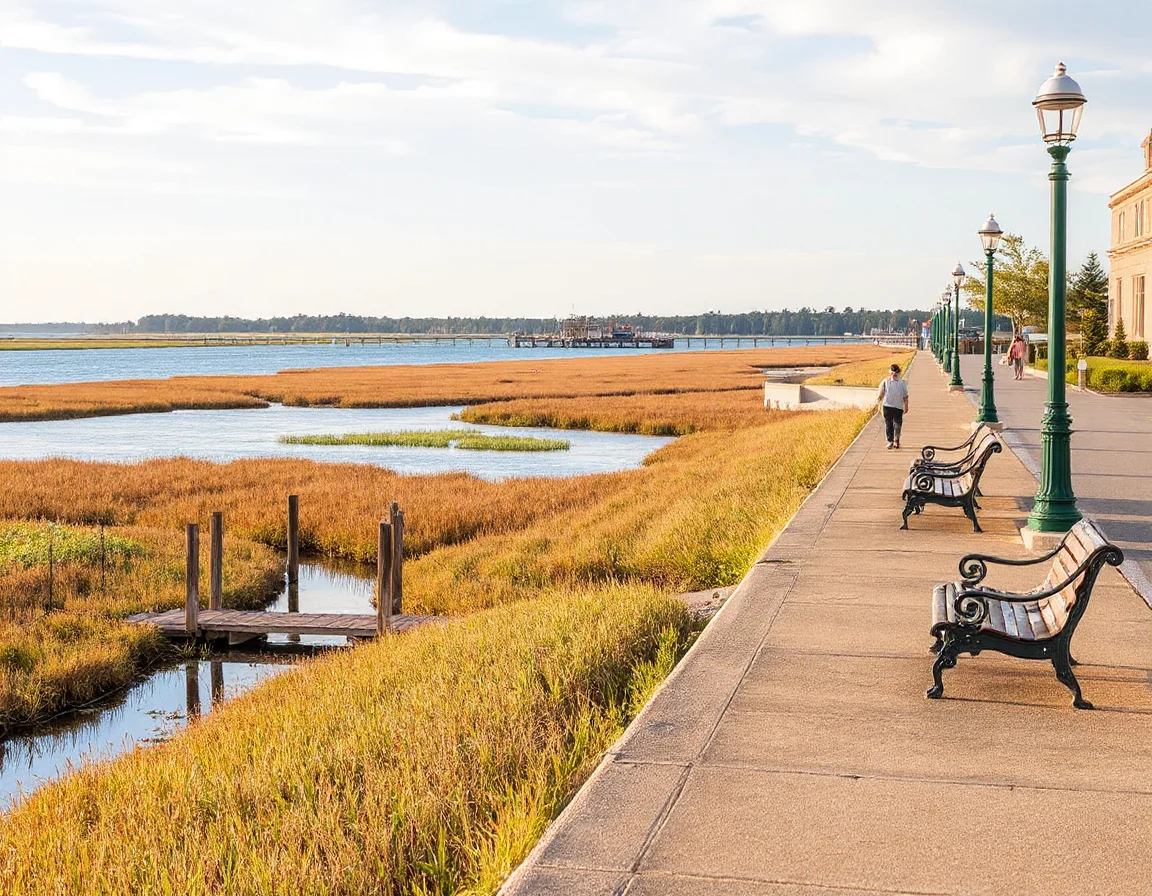
The most useful comparison starts with how you plan to use the property. Waterfront homes often make the natural setting highly visible: sunrise light over marsh grass, changing water levels, coastal breezes, and the possibility of launching a kayak or keeping a boat nearby when the site and permits allow it. Inland properties can feel just as connected to the region’s landscape, but their value may be expressed through land, trees, outbuildings, porch space, and room for practical projects rather than a water view.
Neither option is automatically “better.” The right fit depends on the features that matter most to you, the condition of the individual home, and the ongoing responsibilities attached to the site. A well-kept inland residence with a functional layout and usable acreage can be a strong match for one buyer, while another may place more value on a marsh-front setting and the daily experience of living close to the water.
In Townsend, a water view and true water access are not the same feature. Confirming dock condition, water depth, tidal patterns, easements, and applicable permits early can make a comparison far clearer.
It also helps to separate the setting from the structure. Two homes may both be described as waterfront, yet one may have a protected marsh outlook, another may sit along a tidal creek, and another may have water visible from only part of the lot. Ask for surveys, elevation information, dock documentation when relevant, and details about what is included with the property. These records provide more useful guidance than a listing label alone.
What to Evaluate in a Waterfront Home
A waterfront purchase deserves a careful, property-specific review. Coastal conditions can affect insurance options, foundation design, exterior materials, drainage, landscaping, and maintenance schedules. Many homes near the marsh or water are built with elevated living areas, durable siding, screened outdoor spaces, and features intended to manage rain, humidity, and salt air. Those details can be valuable, but they should be evaluated for current condition rather than assumed from appearance.
Start by asking about flood zones and insurance history. A home’s location within a mapped flood area, its elevation certificate if available, and its prior insurance information can all influence the cost and scope of coverage. Flood maps and insurance requirements can change, so it is wise to consult an insurance professional and review the most current information during your due diligence period.
Waterfront ownership may also involve questions about septic systems, wells, shared roads, private docks, shoreline vegetation, and utility access. A general home inspection is important, and additional inspections may be appropriate depending on the property. For example, a dock inspection, septic evaluation, survey review, pest inspection, or assessment of HVAC and roofing systems can clarify the condition of major components before closing.
Think practically about arrival and access as well. A scenic setting may come with a longer driveway, a private lane, or a bridge over a drainage area. Visit at different times of day if possible, note how rainwater moves across the property, and consider how you will use parking, storage, outdoor equipment, and entry areas. These everyday details often have as much influence on long-term enjoyment as the view itself.
The Appeal of Inland Homes and Larger Lots
Inland Townsend homes offer a different set of strengths. Instead of a shoreline orientation, many properties emphasize wooded surroundings, wider setbacks, flexible outdoor areas, and a more traditional relationship between home, driveway, yard, and utility structures. Depending on the parcel, buyers may find room for a detached garage, equipment storage, gardening, recreational space, or future improvements that fit local rules and approvals.
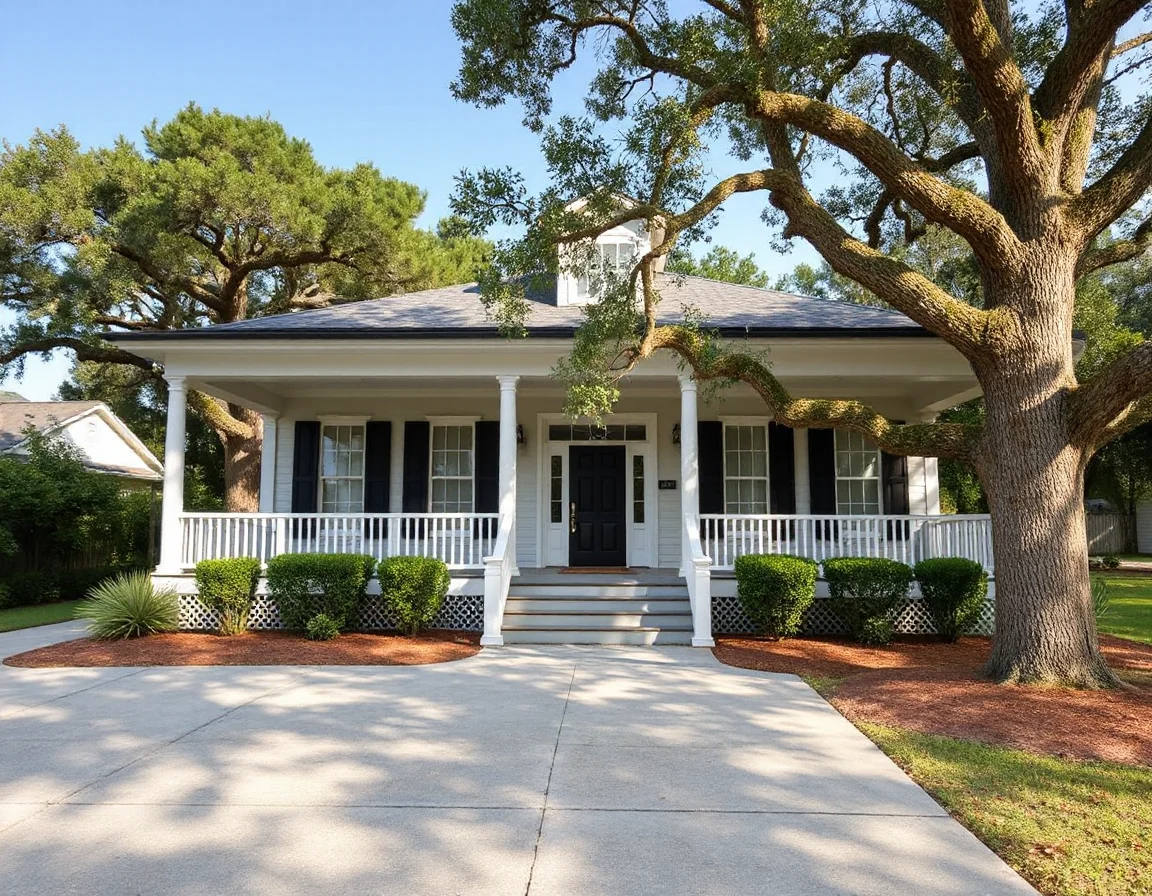
That flexibility can be especially valuable when a property’s land is usable and well understood. Review the survey to see boundary lines, access points, easements, and any recorded restrictions. If the home uses a septic system or private well, request available service records and discuss inspection options. If there are sheds, barns, detached buildings, or fencing, confirm whether they convey and whether their condition suits your intended use.
Inland does not always mean maintenance-free. Larger properties can require more time for mowing, tree care, driveway upkeep, drainage management, and exterior maintenance. Wooded sites may offer shade and visual privacy, but mature trees should be observed for health and proximity to roofs, power lines, and driveways. The goal is not to avoid a particular setting; it is to understand the work, costs, and opportunities that come with it.
Location still matters beyond the lot line. Consider travel time to groceries, medical services, marinas, public boat ramps, Darien, coastal destinations, and major travel corridors. Review the route during the times you would normally use it. A home can feel delightfully tucked away while remaining practical for your regular routines, but that balance is best judged through firsthand visits rather than assumptions.
A larger lot can add flexibility, but usable acreage is more informative than acreage alone. Drainage, tree cover, easements, setbacks, and access all shape how the land can be enjoyed and maintained.
Compare Costs Beyond the Purchase Price
When comparing waterfront and inland homes, build a complete monthly and annual picture. Include the anticipated mortgage payment, property taxes, insurance, utilities, maintenance, and any association or road fees. For a waterfront property, add room in the budget for dock upkeep, exterior cleaning, marine-grade hardware, and insurance questions that may require extra research. For an inland property, account for driveway work, land maintenance, tree care, or servicing detached structures.
It is also worthwhile to compare condition rather than simply comparing age. An older waterfront home with a recently replaced roof, updated windows, improved drainage, and documented dock maintenance may present a more predictable ownership picture than a newer property with deferred maintenance. Likewise, an inland home with a newer septic system, well-maintained outbuildings, and a reliable access road may offer tangible value beyond its interior square footage.
Ask for seller disclosures, utility averages when available, renovation records, and a clear inventory of features included in the sale. If you are considering substantial improvements, consult the appropriate county offices and qualified professionals about permits, zoning, environmental considerations, and costs before making decisions. A careful review now can help prevent surprises after closing.
Estimate your monthly home payment
Choose the Property That Supports Your Priorities
The best Townsend home is one whose setting, condition, and ongoing requirements align with the way you want to spend your time and resources. For some buyers, that means a porch facing tidal marsh and a property with documented water access. For others, it means a wooded inland parcel, a practical layout, and outdoor space that can evolve over time. Both options can offer a rewarding connection to the Lowcountry landscape.
Bring a written list of priorities to each showing: preferred lot features, water access needs, maintenance comfort level, insurance questions, commute considerations, and must-have interior details. Then compare each property using the same list. That simple process keeps the decision grounded in facts while leaving room for the details that make a home memorable.
With thorough inspections, current property records, and a realistic budget for ownership, buyers can evaluate Townsend waterfront and inland homes with clarity. The landscape may differ from one address to the next, but a confident decision comes from understanding exactly what each property offers—and what it will ask of you over time.