
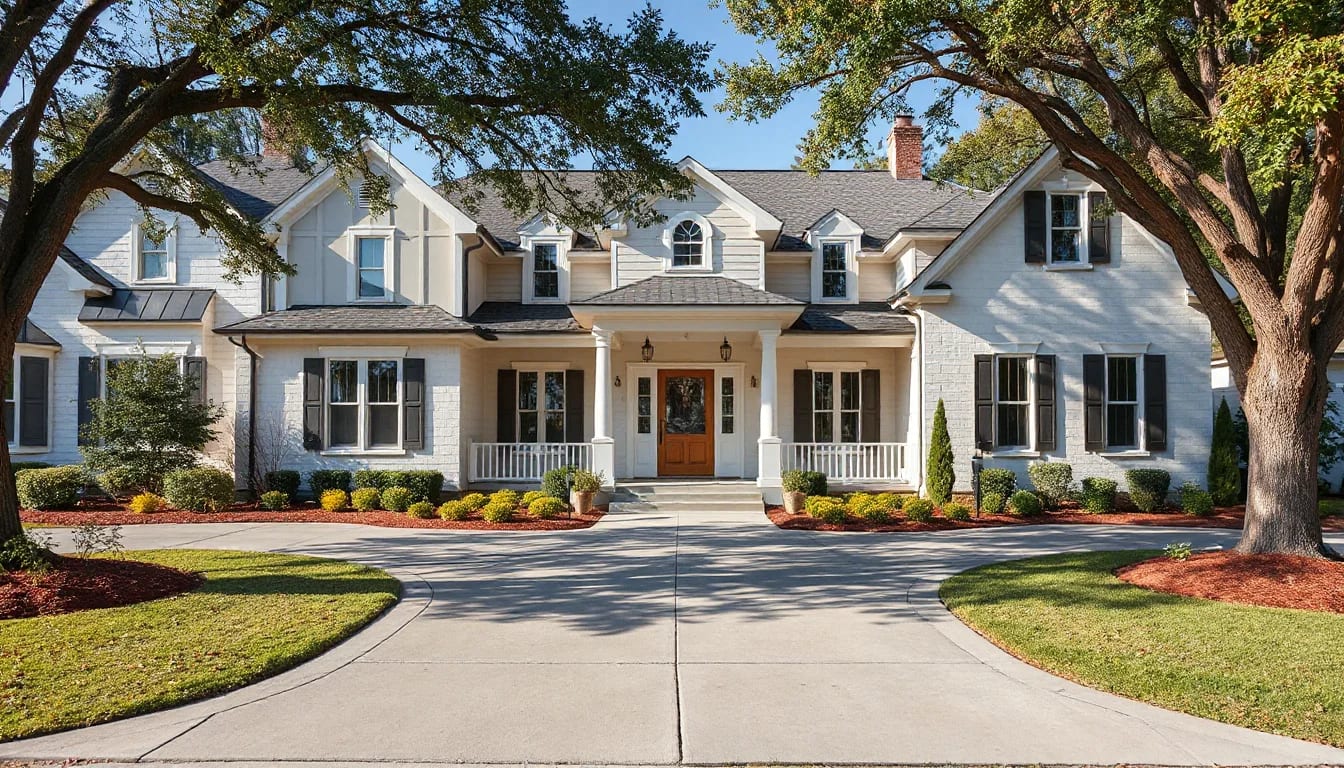
A long-term real estate return in McIntosh County is about more than the purchase price. A thoughtful evaluation weighs carrying costs, property condition, coastal exposure, location-specific demand, and your intended timeline before you make an offer. With the right questions upfront, buyers can compare opportunities with greater confidence and fewer surprises after closing.
Start With the Return You Want to Measure
Buying property in McIntosh County can mean looking beyond a single number. “Return on investment” may include future resale value, potential rental income where permitted, personal use of the property, avoided housing costs, or the flexibility to hold an asset over time. Before touring homes, identify which of these outcomes matters most to you and how long you expect to own the property.
That timeline changes the analysis. A buyer planning to own for several years may focus on durable construction, manageable operating costs, and features that can remain appealing through changing market conditions. Someone considering a shorter hold may place more emphasis on current pricing, transaction costs, and the work required to make a property market-ready again. Neither approach is automatically better; the key is matching the property to a clear plan.
Begin with a complete ownership-cost estimate rather than relying solely on the monthly mortgage payment. Include property taxes, homeowners insurance, flood insurance when applicable, utilities, routine maintenance, association dues, pest protection, landscaping, septic or well servicing where relevant, and a reserve for larger repairs. Coastal Georgia’s humidity, salt air, rain, and seasonal weather can make upkeep a meaningful part of a long-term budget.
A property that appears less expensive at closing can cost more over time if insurance, drainage improvements, deferred maintenance, or major system replacements have not been fully considered.
It also helps to separate improvements that protect the home from improvements that simply personalize it. Roof maintenance, drainage correction, moisture management, window protection, and updated mechanical systems can support the property’s condition and marketability. Highly customized finishes may add enjoyment, but they do not always produce a dollar-for-dollar resale return. A practical inspection review can help buyers prioritize the work that preserves value first.
Study Location at the Property Level
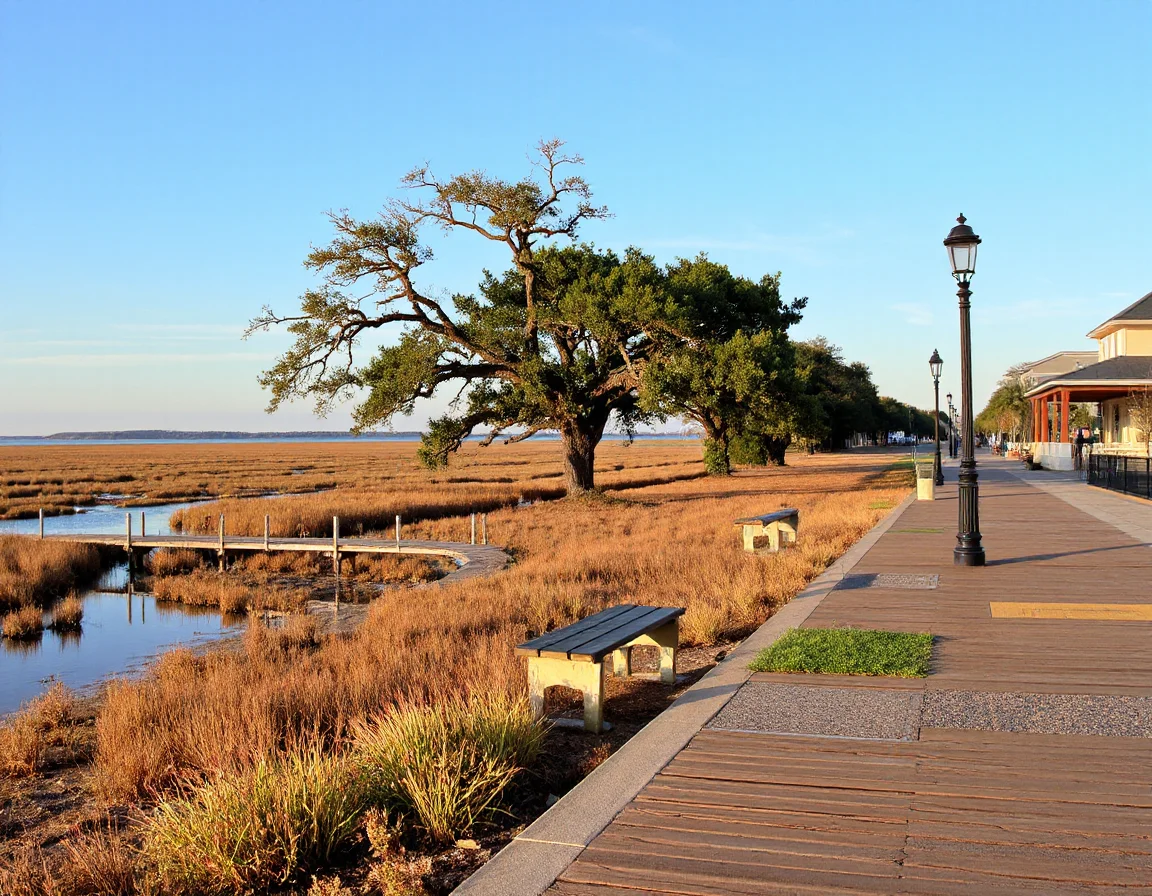
McIntosh County offers a mix of marshfront settings, wooded parcels, historic areas, inland homesites, and communities with different access points and ownership structures. The strongest long-term comparison is rarely “waterfront versus non-waterfront” or “newer versus older” in isolation. Instead, examine the specific parcel, its access, its condition, its restrictions, and the pool of buyers likely to consider it in the future.
For example, a scenic water view may be an important feature, but buyers should verify whether the lot is subject to flood-zone requirements, whether there is deeded access to a dock or waterway, and what maintenance responsibilities accompany those features. A wooded property may offer privacy and a distinctive setting, while its value analysis should also account for road access, drainage, tree maintenance, utilities, and the feasibility of future improvements.
Look closely at the details that may affect future demand: road type, travel routes, water and sewer availability, broadband options, property boundaries, easements, zoning, and any covenants or association rules. These items can influence how you use a property today and how easily a future buyer can understand its benefits. Requesting documents early gives you time to compare homes on equal terms rather than discovering an important restriction late in the transaction.
Comparable sales matter as well, but they should be genuinely comparable. A marsh-adjacent home with a dock, a historic in-town residence, and an inland property on acreage may all sit within the same county while serving very different segments of the market. Work from recent sales that resemble the home in location, condition, lot characteristics, construction quality, and amenities. If there are few close matches, allow more room for uncertainty in your estimate.
When comparable sales are limited, condition and site-specific documentation become especially valuable. Keep inspection reports, repair invoices, permits, and improvement records from the beginning of ownership.
Search McIntosh County listings
Evaluate Income Carefully, Not Optimistically
If income is part of your long-term plan, approach it with the same discipline used for ownership costs. Rental demand can vary by location, season, property type, furnishing level, and local rules. Before relying on projected revenue, verify current county, municipal, community, and association requirements that may apply to long-term or short-term rentals. Rules can change, and a listing description should never be the only source used to confirm permitted use.
Create a conservative projection that includes vacancy periods, booking or management fees, cleaning, furnishing replacement, insurance, utilities, repairs, taxes, and licensing expenses if required. Then test the plan under less favorable conditions: lower revenue, higher maintenance, or an unexpected repair. If the investment still works under cautious assumptions, it is generally on more solid ground than one that depends on a best-case scenario.
Even buyers who do not plan to rent can use this exercise productively. Understanding the potential operating profile of a property provides another lens for comparing options. A home with straightforward systems, durable materials, and predictable maintenance may be easier to own over time than a property requiring frequent specialized attention, regardless of whether it generates rental income.
Plan for Resale Before You Buy
Long-term ROI is not guaranteed by a particular location or property feature. Real estate values can move in either direction, and local inventory, interest rates, insurance costs, weather events, and buyer preferences all influence future resale conditions. The goal is not to predict every market shift. It is to reduce avoidable risk by purchasing with good information, sensible reserves, and a realistic ownership horizon.
Consider the future buyer’s perspective from day one. Well-documented maintenance, clear property records, functional layouts, reliable systems, and thoughtfully maintained outdoor areas can make a home easier to present when it is time to sell. If you plan substantial upgrades, retain permits, warranties, contractor contacts, and before-and-after photos. Those records can help explain the care invested in the property.
Financing deserves a place in the ROI conversation, too. Compare loan options, projected payment changes if applicable, closing costs, and the amount of cash you want to retain after closing. Maintaining a reserve can give you more flexibility when routine work or a larger repair arrives. A purchase budget that leaves room for property stewardship is often more resilient than one stretched to the maximum approval amount.
Estimate your mortgage payment
Use Due Diligence as Your Long-Term Advantage
The most useful ROI analysis is a written one. Build a simple worksheet for each property with purchase price, estimated closing costs, annual carrying costs, anticipated repairs, improvement priorities, financing terms, and possible resale considerations. Add notes from inspections, disclosures, surveys, insurance quotes, and association documents. Seeing the full picture side by side can clarify which home best supports your goals.
In McIntosh County, the details of a property’s site, construction, exposure, and ongoing care can matter as much as its initial price. Ask direct questions, verify information with the appropriate professionals, and give yourself adequate time for inspection and document review. A well-chosen home is not merely one that looks compelling on showing day; it is one whose costs, condition, and future possibilities make sense for the way you intend to own it.