

Buying your first home in McIntosh County starts well before the first showing. A clear budget, mortgage pre-approval, and a plan for evaluating coastal property details can help you move from browsing to closing with confidence.
1. Start With a Budget That Fits Your Life
A home search can begin with a porch beneath the oaks or a listing near the water, but the most useful first step is a look at your finances. Consider how much you can comfortably spend each month, how much cash you have available upfront, and what you want to keep in reserve after closing.
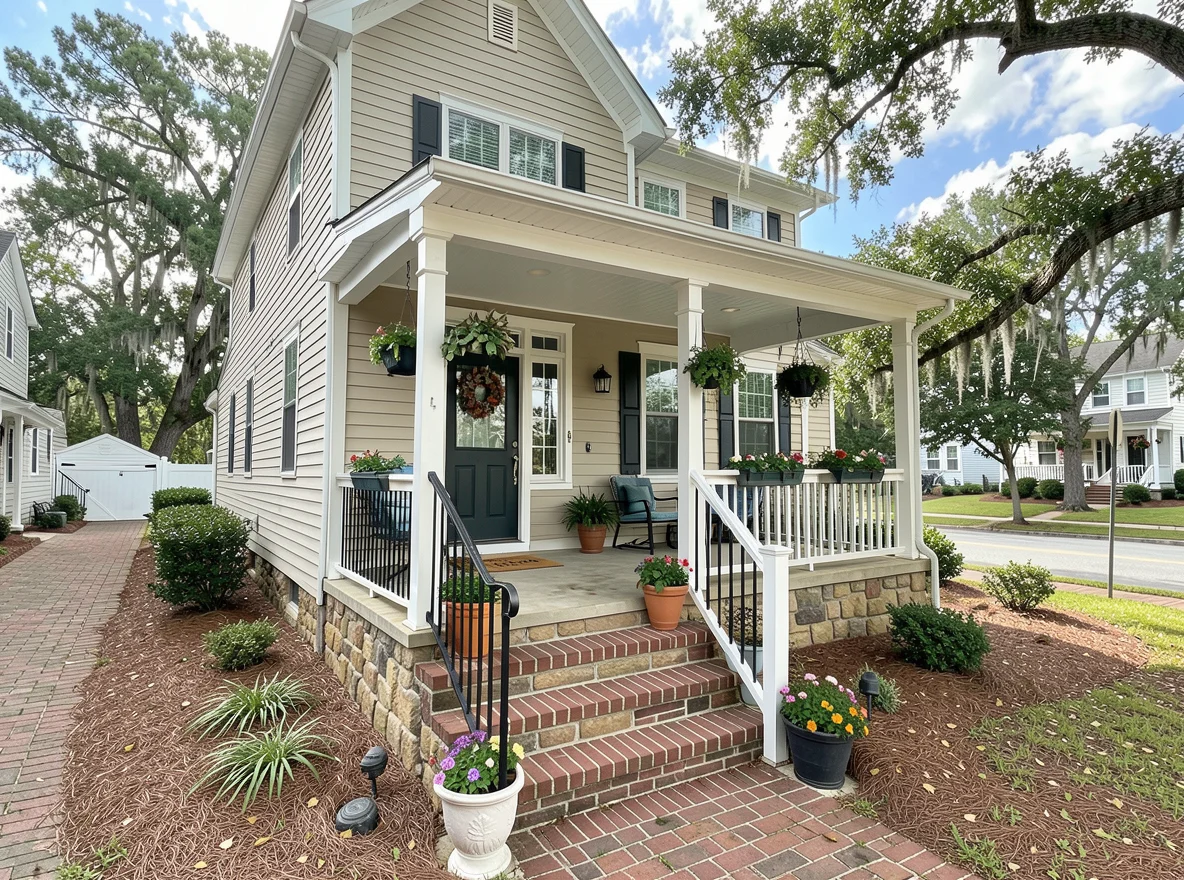
Your monthly housing cost may include more than mortgage principal and interest. Add estimates for property taxes, homeowners insurance, mortgage insurance if applicable, utilities, maintenance, and any homeowners association fees. In coastal areas, ask an insurance professional about flood and wind coverage as well; costs and requirements depend on the property and policy.
Plan for one-time expenses, too. Depending on your loan and purchase agreement, you may need funds for a down payment, inspections, appraisal, closing costs, and moving expenses. A mortgage calculator can help you explore scenarios, but use lender and insurance estimates to refine your numbers before making an offer.
A comfortable purchase price is only part of the picture. Insurance quotes and association fees can change the monthly cost of a McIntosh County home, so investigate them early.
2. Get Pre-Approved and Compare Loan Options
Before touring seriously, speak with one or more mortgage lenders about pre-approval. A lender will typically review information about your income, assets, debts, and credit to estimate what you may qualify to borrow. Pre-approval is not a final loan commitment, but it gives your search a more useful starting point.
Ask about loan types, down payment requirements, interest rates, estimated closing costs, and whether mortgage insurance applies. If you are considering a first-time buyer assistance program, ask the lender about current eligibility, funding, and any restrictions. Compare the details rather than choosing on an advertised rate alone.
Once you have a pre-approval, stay in touch with your lender before taking on new debt, changing jobs, or making a large purchase. Financial changes can affect underwriting. Keep documents readily available, since the lender may request updated statements or additional information as the transaction progresses.
3. Define Your Search Across McIntosh County
Think about the features that matter most: price range, number of bedrooms, layout, outdoor space, and the distance you are comfortable traveling for work, errands, or recreation. Separate essentials from preferences so you can compare homes without losing sight of your budget.
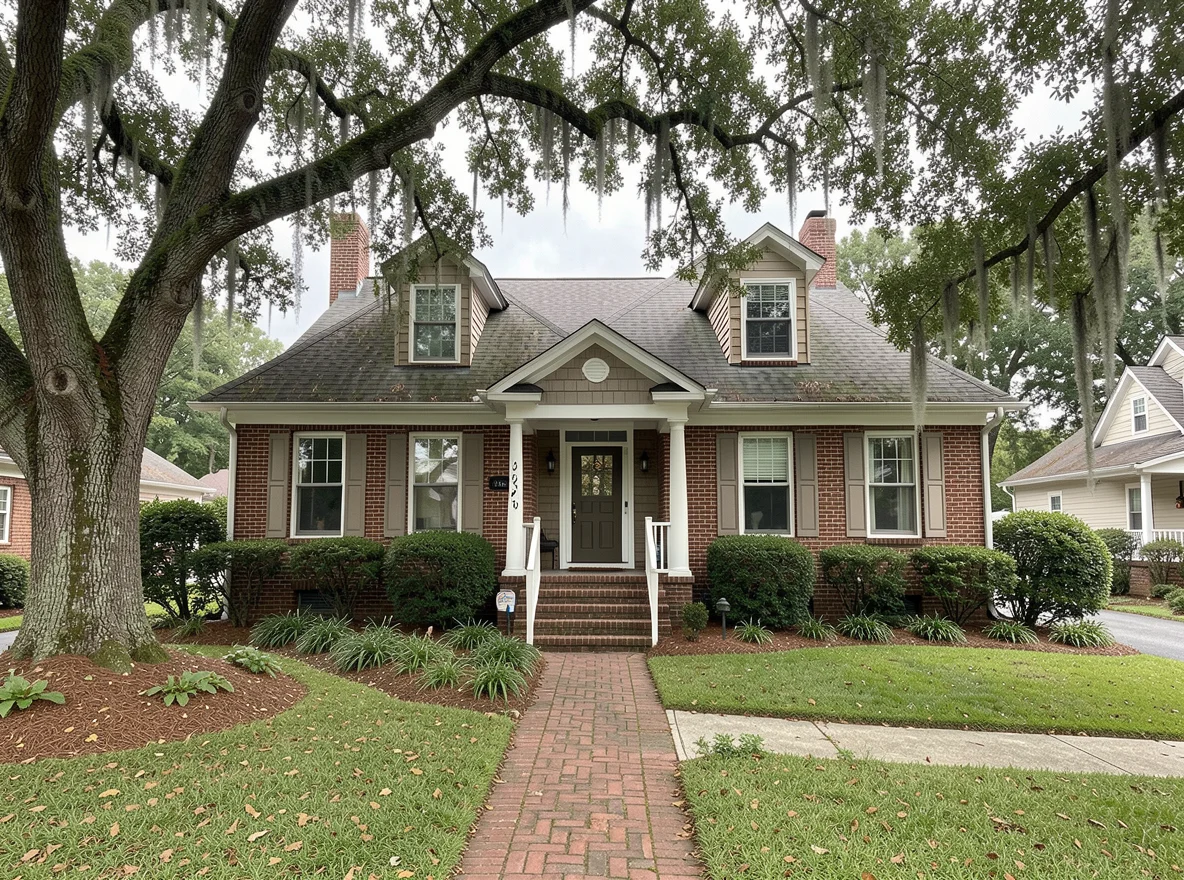
Listings in and around Darien and Townsend can offer different settings, from areas closer to everyday services to properties with more space or a coastal outlook. Explore the routes you would use regularly and visit at different times of day when possible. Listing photos are helpful, but they rarely show every detail of a road, neighboring property, or maintenance need.
For each home, ask what is included in the sale and whether the property has an association, shared access, or special rules. If a dock, waterfront access, or future improvement matters to you, verify its status and any applicable permissions rather than relying on a listing description. For school information, confirm current attendance boundaries and details directly with the school district.
As you tour, take notes on the same features in every property. A short checklist covering condition, layout, likely repairs, and recurring costs makes it easier to compare homes later. Seaboard Real Estate can help you review listings, arrange showings, and make sense of questions that arise along the way.
Search McIntosh County listings
4. Make an Offer With the Details in Mind
When a home feels right, your agent can help you review comparable sales and discuss an offer. Price matters, but so do the proposed closing date, financing terms, earnest money, contingencies, and deadlines. The seller may accept, reject, or counter your offer, so decide in advance which terms you can adjust and where you need to hold firm.
Earnest money is a deposit typically held according to the purchase agreement and credited at closing if the sale proceeds. Ask your agent and closing attorney how it is handled and what the contract says about its return or forfeiture. Read every provision carefully before signing; contract language and deadlines affect your options.
Put inspection, financing, and other contract deadlines on your calendar as soon as an offer is accepted. Missing a deadline can affect your choices and your deposit.
5. Investigate the Property and Finalize Financing
An accepted offer begins a period of careful review. Arrange a professional home inspection and consider additional evaluations based on the property, such as a roof, pest, septic system, well, or other specialist inspection. Review the findings with your agent and decide whether to request repairs or negotiate other terms, subject to your agreement.
Coastal conditions deserve attention. Ask your insurance professional about flood zone information, available coverage, and premiums for the specific address. Flood maps and lender requirements are useful starting points, but they do not replace a property-specific review. If the home has a dock, shoreline improvements, or other features near the water, investigate permits, condition, and maintenance responsibilities.
At the same time, your lender will work through underwriting and may order an appraisal. An appraisal estimates value for lending purposes; it is not a substitute for a home inspection. Respond promptly to document requests, review loan updates, and avoid assuming financing is complete until the lender confirms it.
6. Prepare for Closing and Your First Days at Home
Before closing, review the closing disclosure and ask your lender or closing attorney to explain any figures you do not understand. Confirm the amount you need to bring and independently verify payment instructions with a trusted contact using a known phone number. Be cautious of last-minute changes to wiring instructions.
Schedule a final walk-through as provided for in your agreement. Check the home’s condition, confirm that agreed-upon work has been addressed, and make sure included items remain. Your closing attorney can explain the documents and the steps for transferring ownership. After closing, arrange utilities, keep copies of your paperwork, and begin a practical maintenance list.
The first purchase involves decisions, but you do not have to make them all at once. With preparation, property-specific questions, and a team ready to explain each step, you can approach your McIntosh County search with a clearer path from the first listing to the closing table.