

Pricing a home well in Darien is less about guessing high and hoping, and more about creating the right reaction in the market from day one. A thoughtful price can increase showing activity, strengthen negotiating position, and reduce the risk of sitting too long and chasing the market down. This guide breaks down how sellers can use local inventory, recent sales, and buyer behavior to set a competitive number with confidence.
Why pricing strategy matters from the moment a listing goes live
When a home first hits the market, it gets the most attention it may ever receive. Buyers who have been watching Darien inventory closely will often notice a new listing right away, and that early window can shape the entire course of the sale. If the price feels aligned with condition, location, lot size, and recent comparable sales, the home is more likely to generate strong interest and serious showings. If it comes out too high, even a well-maintained property can lose momentum before the seller has a chance to adjust.
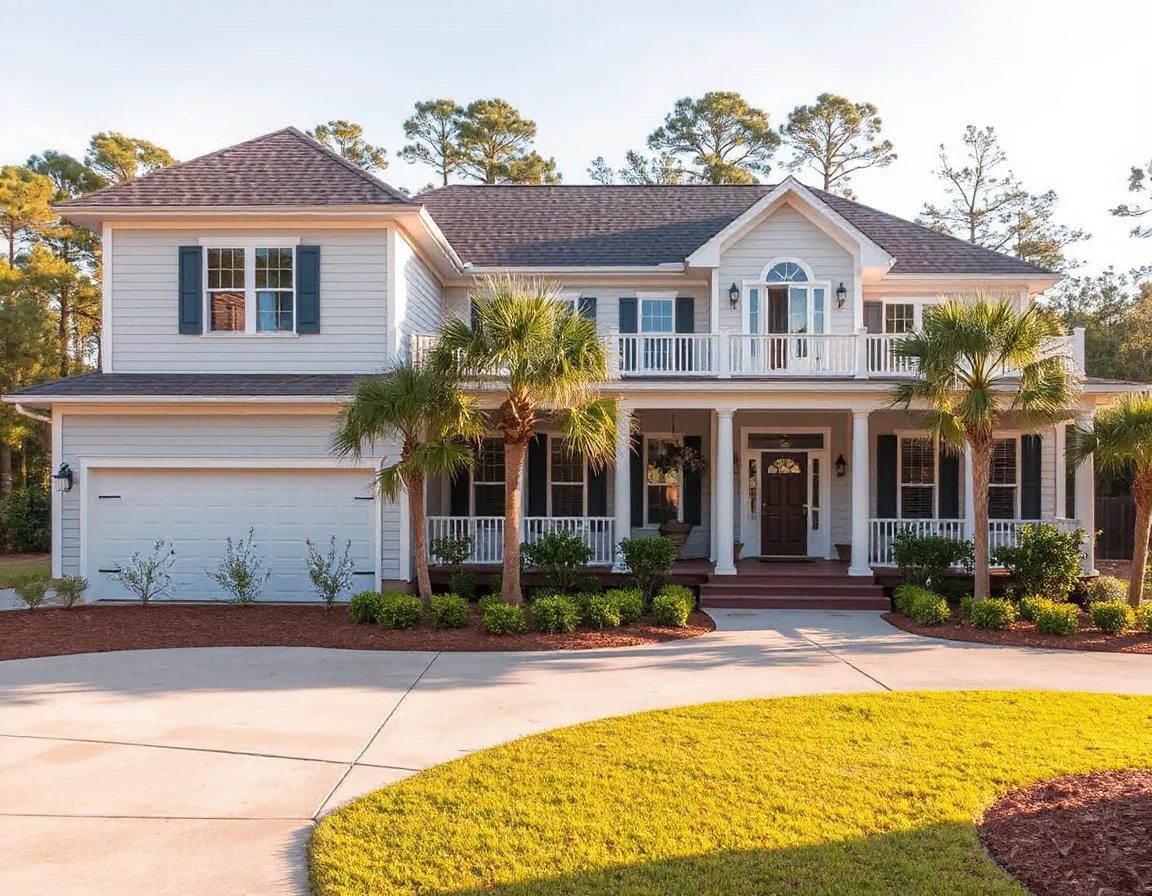
That matters especially in a market where buyers compare options quickly online before deciding which homes are worth visiting in person. Price is one of the first filters they use. A listing that lands in the right search bracket can appear in more results and attract more attention than one priced just beyond where active buyers are looking. Small pricing decisions can have an outsized effect on visibility.
Competitive pricing does not mean undervaluing a property. It means understanding how the market is reading your home right now, not how it might have been valued in a different season or under different inventory conditions. In coastal Georgia communities like Darien, that includes considering waterfront influence, access to marinas and historic areas, lot characteristics, flood zone considerations where applicable, and the overall presentation of the home compared with current alternatives.
The first two weeks on market often produce the clearest signal. If showings are light and comparable homes are moving, pricing may be the issue before condition becomes the main concern.
Use comparable sales, but read them carefully
The foundation of a smart list price is usually a close review of recent comparable sales. That sounds simple, but the details matter. A home that sold six months ago may not reflect today’s buyer expectations if inventory has changed, interest rates have shifted, or new competing listings have entered the market. The most useful comps are recent, nearby, and genuinely similar in size, age, condition, setting, and upgrades.
In Darien, comparing one property to another may require more nuance than in a large subdivision where homes are nearly identical. Some properties have marsh views, deepwater access, larger acreage, newer renovations, or a location closer to downtown amenities and waterfront recreation. Others may offer more privacy, detached workshops, or historic architectural details. Those differences can influence value, but not always dollar-for-dollar. A renovated kitchen may help a home stand out, for example, yet buyers may still compare total price against other available options with different advantages.

It also helps to separate sold prices from active prices. Sold listings show what buyers were actually willing to pay. Active listings show the competition your home will face when it launches. Pending sales can be especially valuable because they may indicate where buyer demand is strongest, even before final numbers close. Looking at all three together creates a more realistic picture than relying on a single standout sale.
Another common mistake is anchoring on the highest sale in the area without accounting for why it sold at that number. Maybe it had a superior lot, extensive updates, or a more flexible floor plan. Pricing your home based on the ceiling of the market only works if the property supports it. Otherwise, the list price can signal a mismatch and cause buyers to scroll past before they ever step inside.
Think like a buyer scanning listings online
Many sellers begin with what they “need” to net from the sale, but buyers do not shop based on a seller’s target proceeds. They compare price against perceived value. That is why pricing should reflect market evidence first, then be balanced with the seller’s goals and timeline. A home that is priced for strong engagement often creates better leverage than one that starts high and requires reductions later.
Search behavior matters here too. If a home could reasonably compete at $389,000 or $401,000, that difference may place it in very different online searches. A price point just below a common threshold can introduce the property to more buyers. In a smaller market, broadening the buyer pool can be particularly important because each additional qualified showing has value.
Presentation and price also work together. Fresh photography, clean landscaping, touch-up paint, and a decluttered interior can help justify a competitive asking price because buyers feel they are seeing a move-in-ready opportunity rather than a project. If updates are limited, the price should usually reflect that reality. Buyers notice quickly when the photos, condition, and number do not line up.
A well-priced home does not have to be the cheapest option. It has to make sense against nearby alternatives the same buyer is viewing on the same day.
That is why a pricing conversation should include more than square footage. It should address what buyers are likely to notice first: curb appeal, room flow, natural light, site characteristics, storage, waterfront or marsh influence if present, and how much immediate work the home appears to need. Those practical comparisons often determine whether a buyer books a showing.
Timing, flexibility, and adjustment strategy
No pricing plan should be set and forgotten. Even a strong initial number needs to be monitored once the listing is live. Showing volume, online saves, agent feedback, and how long comparable homes remain active can all provide useful clues. If traffic is healthy but offers are not arriving, the issue may be condition, terms, or presentation. If traffic is weak from the start, price often deserves a fresh look.

Price reductions are sometimes necessary, but they are most effective when they happen decisively rather than in a series of tiny moves that still leave the home above market expectations. Buyers watch for stale listings. A meaningful adjustment can refresh attention, while a minimal one may not change who sees the property or how it is perceived. The goal is not simply to lower the number. The goal is to reposition the home where it becomes compelling again.
Sellers can also improve competitiveness through terms, not just price. Flexible closing dates, attention to repairs, and clear documentation on major systems may strengthen a listing’s appeal. Still, price remains the central factor because it determines whether buyers engage in the first place. If the number invites them in, the rest of the property has a chance to do its job.
In Darien, where properties can vary widely in setting and style, local guidance is especially useful. The strongest strategy usually combines hard data with on-the-ground judgment about what buyers are responding to right now. That balance can help a seller avoid both overpricing and leaving value behind.
Talk through your selling strategy
The goal is traction, not just aspiration
A competitive sale starts with a price that respects both the market and the strengths of the property. Sellers often gain the best outcome when they focus on creating early interest, realistic comparisons, and a plan for adjusting if the market response calls for it. In practical terms, that means using current data, reviewing active competition honestly, and understanding how buyers will encounter the home online and in person.
When those pieces come together, pricing becomes a tool instead of a gamble. It can help a Darien home stand out, attract qualified attention, and move toward the closing table with fewer surprises. For sellers preparing to list, investing time in the pricing strategy upfront is often one of the most valuable decisions in the entire process.