
Flood zones can affect insurance costs, financing, building options, and long-term ownership decisions, so they deserve attention early in your home search. In Darien, where waterfront access and marsh views are part of the appeal, understanding FEMA maps, elevation, and insurance details can help you compare homes more confidently. A little homework up front can make the buying process smoother and reduce surprises before closing.
Why flood zones matter in a coastal market
Buying near the Georgia coast often comes with a tradeoff many people gladly consider: beautiful surroundings paired with a little more due diligence. In Darien, creeks, tidal marshes, and riverfront settings contribute to the area’s character, but they can also place some properties within designated flood zones. That does not automatically make a home a poor purchase. It simply means the property deserves a closer look so you can understand the practical impact on monthly costs and future plans.
Flood zones are most commonly discussed in relation to FEMA flood maps. Lenders use these maps to determine whether flood insurance may be required for a financed purchase. For buyers, the bigger question is not just whether a home sits in a mapped zone, but how that affects the total ownership picture. Insurance premiums, lender requirements, elevation certificates, past mitigation work, and the home’s exact site conditions can all play a role.
It is also worth remembering that flood risk is not always visible from the driveway. Two nearby homes may have different map designations, different finished-floor elevations, or different insurance histories. That is why buyers should resist making assumptions based on proximity to water alone. A home with water views may have manageable insurance costs, while another farther inland could still warrant careful review because of drainage patterns or map boundaries.
A flood zone designation is not a verdict on a property’s value or livability. It is a planning tool that helps buyers evaluate insurance, construction standards, and risk exposure before they commit.
What the common flood zone labels actually mean
The alphabet soup on a flood map can feel intimidating at first, but the basic idea is straightforward. Many buyers hear most often about Zone X and Zone AE. In general terms, Zone X is often considered lower risk than AE, while AE is a Special Flood Hazard Area where flood insurance is frequently required by a lender for financed purchases. Some properties may also have portions of the lot in one zone and the main structure in another, which is one reason parcel-level review matters.
For a buyer comparing homes, the key is to ask specific questions. Is the house itself in the flood zone, or only part of the lot? Is there an elevation certificate available? Has the owner carried flood insurance, and if so, what has the recent premium looked like? Has the home been raised, retrofitted, or otherwise improved to reduce risk? These details provide far more useful guidance than the zone label by itself.
Map designations can also change over time. FEMA updates and local conditions may affect how a property is classified in the future. That possibility is one reason buyers should think beyond the current transaction. If you may remodel, add square footage, enclose lower space, or build accessory improvements later, flood-zone rules could affect what is feasible and how much it costs.
Insurance, financing, and the true monthly cost
One of the most important reasons to investigate flood zones early is that insurance can materially change your monthly housing budget. A home that looks attractive based on price alone may feel different once flood insurance is added to principal, interest, taxes, and homeowners insurance. On the other hand, a property with a favorable elevation profile or transferable policy history may be more affordable than buyers expect.
Financing is part of that conversation too. If a lender requires flood insurance, they will want documentation in place before closing. Waiting until the last week of the transaction to gather quotes or locate an elevation certificate can create unnecessary stress. Buyers who identify flood-zone questions early have more time to compare carriers, verify requirements, and understand whether the property still fits their target monthly payment.
It can help to think in terms of ownership math rather than headline price. Ask for insurance estimates during due diligence, not after you are emotionally committed. If a home has a dock, sits near a marsh edge, or includes lower-level storage or enclosed space, ask how those features affect insurance and maintenance. Every coastal property has its own details, and those details are often what separate a smooth purchase from a frustrating one.
If a property is on your short list, request a flood insurance estimate before final negotiations are finished. That single step can sharpen your offer strategy and help you avoid budget surprises.
Another practical point: flood insurance and homeowners insurance are not the same thing. Standard homeowners coverage typically does not replace a separate flood policy. Buyers should make sure they understand what each policy covers, where deductibles apply, and whether there are contents or structure limitations that matter for the way the home is used.
Site features worth reviewing before you buy
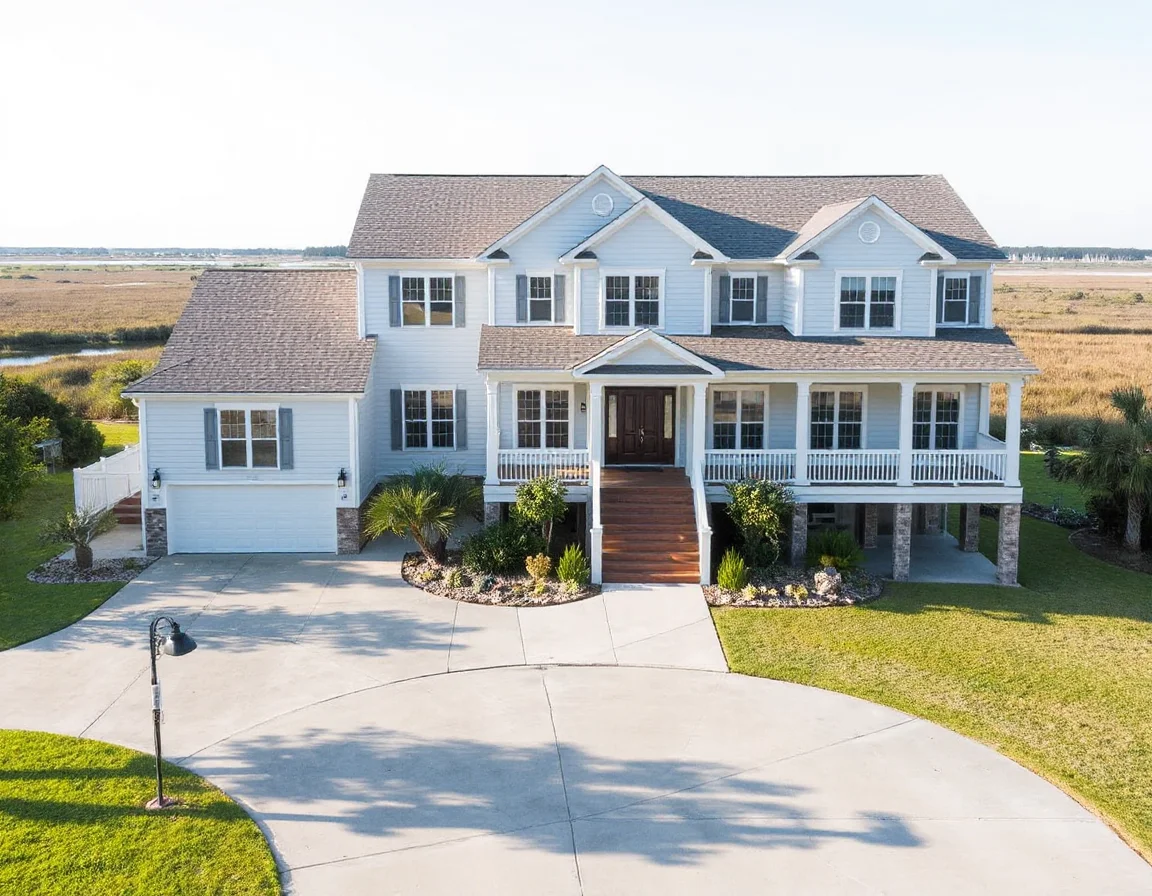
Beyond maps and insurance quotes, a property’s physical characteristics deserve close attention. Finished-floor height, crawl space condition, grading, drainage, foundation type, and exterior materials all affect how a home performs in heavy rain or tidal conditions. In Darien, where natural water features shape the landscape, these practical building details matter just as much as a pretty view from the porch.
Buyers should also look carefully at disclosures, prior claims if available, and any documentation related to repairs or mitigation work. New vents, elevated mechanical systems, improved grading, or replacement materials can indicate thoughtful preparation. If a home inspection suggests further evaluation, it may be wise to bring in the right specialist during the contingency period so you have a clearer picture of future maintenance or improvement needs.
Do not forget the lot itself. Detached garages, storage areas, patios, and ground-level enclosures may be subject to different standards than the main living area. If your plans include renovations or additions later, ask how current flood-zone rules could influence permits, design, and construction cost. A property can still be a strong fit, but it is better to know the constraints before you close than after.
How to shop smart without overreacting
Flood zones tend to trigger strong reactions, but the best approach is usually neither alarm nor indifference. Some buyers rule out any flood-zone property immediately, while others ignore the issue until the lender raises it. A more useful middle ground is to compare homes with complete information. That means reviewing maps, reading disclosures, requesting insurance estimates, and considering how each property fits your budget, maintenance tolerance, and long-term plans.
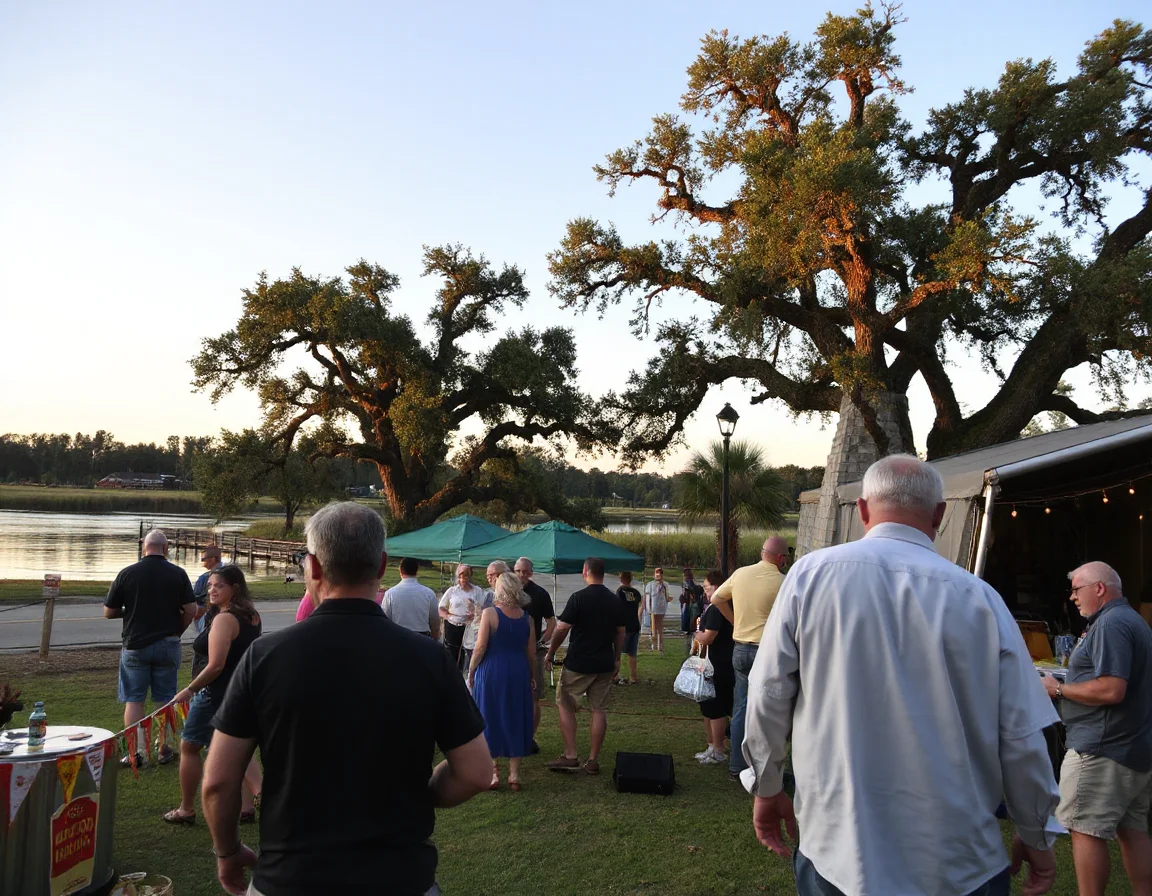
That balanced mindset is especially helpful in a place where water is part of the setting people come to enjoy. Darien offers a distinctive coastal atmosphere, and many homes near creeks, marshes, or rivers attract attention because of their location and outlook. The goal is not to avoid asking hard questions. It is to ask them early enough that you can make a decision from a position of clarity.
A well-informed buyer can move forward with more confidence, negotiate more effectively, and prepare for ownership with fewer surprises. Whether you are looking at a primary residence, a second home, or an investment property, understanding flood-zone implications is simply part of understanding the property itself. In a coastal market, that knowledge is not a complication. It is an advantage.