
A home inspection is one of the most practical ways to understand a coastal property before closing in Townsend. Salt air, moisture, changing weather, and waterfront conditions can affect systems that may look perfectly sound during a showing. Use this checklist to ask focused questions, review the inspection report with confidence, and plan next steps before the closing date.
Begin With the Exterior Envelope
In a coastal setting, the outside of a home does a great deal of work. It sheds rain, withstands sun exposure, and helps protect the structure from humid air and wind-driven moisture. During the inspection period, start with the home’s exterior envelope: roofing, siding, trim, windows, doors, gutters, grading, decks, porches, and the visible foundation. A qualified inspector can identify conditions that deserve repair, further evaluation, or routine maintenance planning.
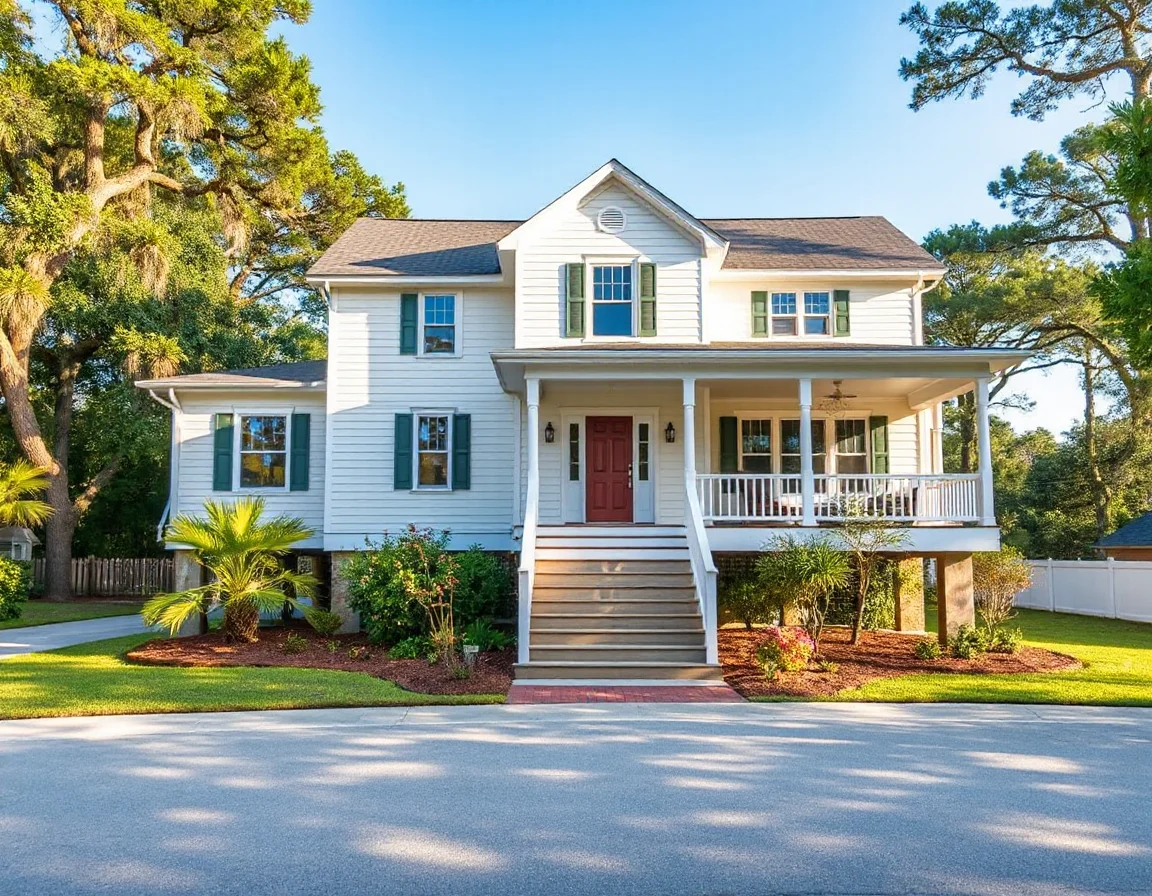
Pay close attention to the roof. Ask about the estimated age of the roofing material, visible wear, flashing around vents and chimneys, soft spots, loose components, and signs of past water entry in accessible attic areas. Roof age alone does not determine performance, but it can help buyers budget for near-term maintenance or replacement. If the report notes active staining, damaged flashing, or evidence of moisture, a roofing contractor may be the right next call before negotiations are complete.
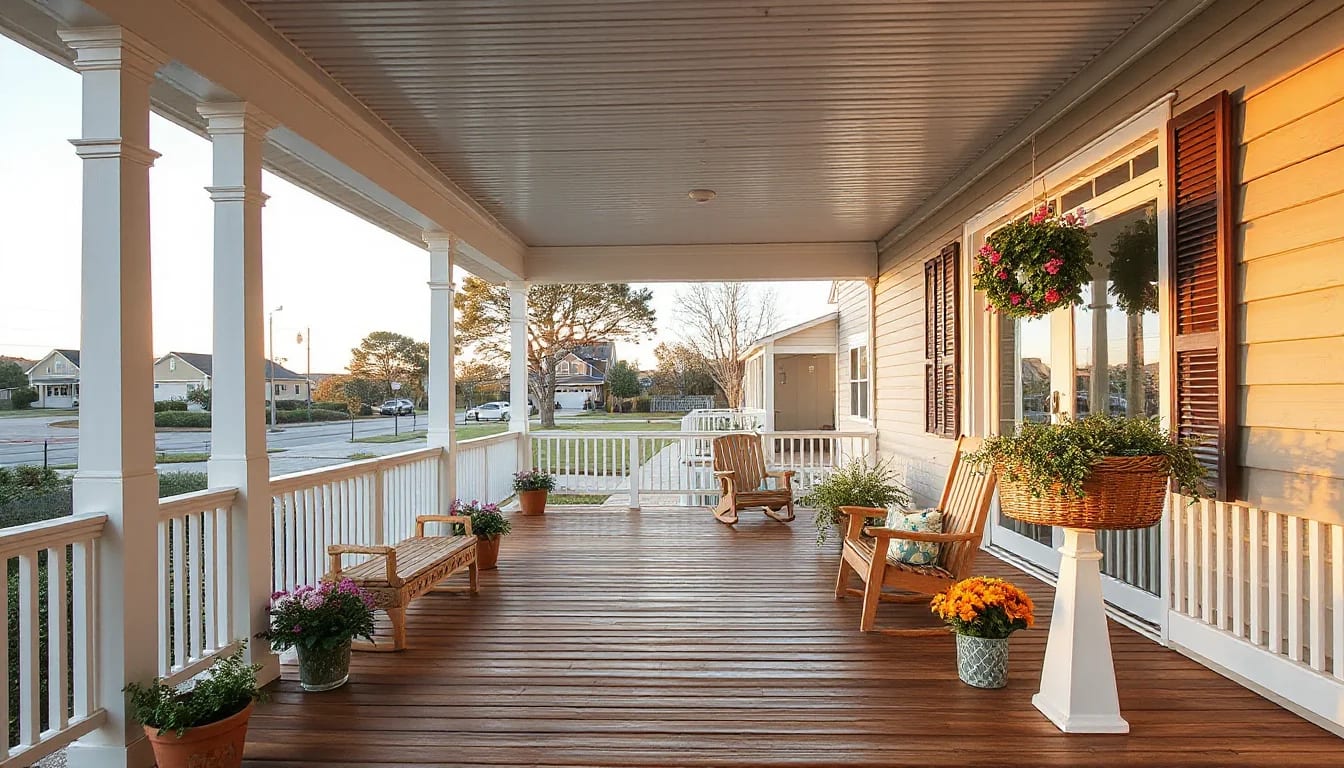
Windows and exterior doors also matter more than many buyers expect. Look for damaged seals, rotted trim, missing caulk, difficult operation, fogging between panes, and gaps that may allow moisture or air infiltration. On porches and decks, inspectors commonly review railings, stair connections, ledger attachment, surface deterioration, and visible fasteners. For elevated homes, request a clear review of supports, bracing, access areas, and any visible corrosion or wood damage.
A coastal inspection report is not just a repair list. It is a planning tool that helps distinguish immediate concerns from maintenance items that can be addressed over time.
Look Carefully at Moisture, Drainage, and Crawlspace Conditions
Moisture is one of the most important inspection topics for homes near Georgia’s coast. Humidity does not automatically mean a property has a problem, but consistent moisture can contribute to wood deterioration, mold-like growth, insulation issues, and pest activity when ventilation or drainage is not working as intended. Ask the inspector to explain where moisture was observed, what may be causing it, and whether the condition calls for a specialist.
Review the grading around the home and where downspouts discharge. Water should be directed away from the structure rather than collecting near the foundation or beneath the house. In homes with crawlspaces, look for standing water, damp soil, damaged vapor barriers, insulation that has fallen or become wet, wood staining, and inadequate ventilation. A crawlspace is not always easy to assess during a showing, which makes this part of the inspection especially valuable.
Plumbing leaks can be subtle. Inspectors may identify active drips beneath sinks, around water heaters, near supply lines, or at visible drain connections. Ask whether shutoff valves operate, whether the water heater has an appropriate drain pan and discharge line where applicable, and whether the visible plumbing materials appear consistent with their age. If the home has a septic system, private well, or other property-specific utility setup, discuss separate inspections and testing with your agent early in the due-diligence period.
It is also worth asking about signs of prior repairs. Fresh paint or new flooring is not necessarily concerning, but newly finished surfaces can make it harder to see earlier water marks or patching. The goal is not to assume the worst; it is to understand what was observed and to obtain documentation when available. Receipts, permits, warranties, and contractor reports can add useful context.
Check Systems That Keep the Home Comfortable and Functional
Beyond the structure, a thorough inspection should cover the major systems that support everyday use. Heating and cooling equipment, electrical panels, visible wiring, plumbing fixtures, water heaters, and built-in appliances each deserve careful attention. Inspection standards vary, and inspectors do not dismantle equipment or predict every future failure, but their observations can point to safety concerns, deferred maintenance, or systems that need a more detailed evaluation.
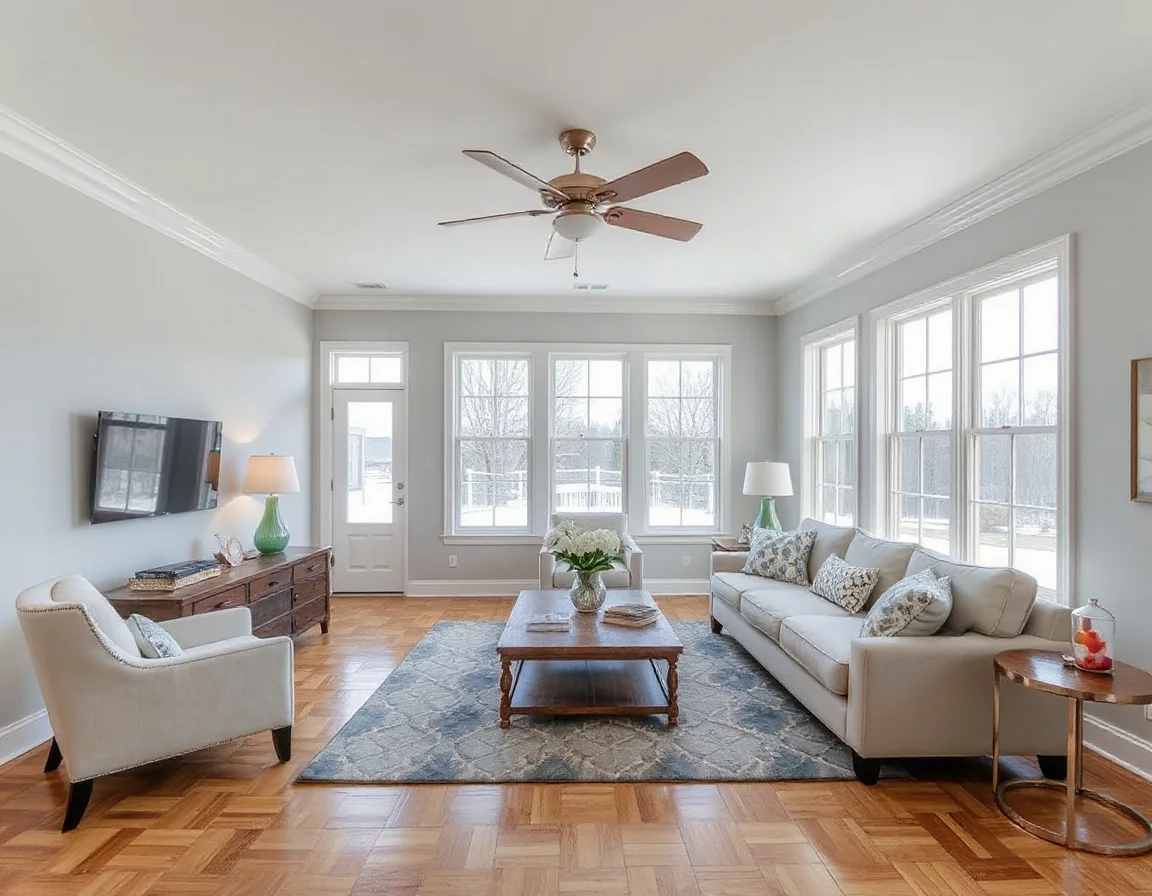
For HVAC equipment, ask about the approximate age of each unit, the condition of visible ductwork, filter maintenance, condensate drainage, and whether the system was operating normally at the time of inspection. Coastal humidity can place steady demands on cooling equipment, so a service history is useful when it is available. If an inspector recommends an HVAC technician, consider scheduling that evaluation promptly enough to receive findings before your contingency deadlines.
Electrical questions should be specific and practical. Review the panel labeling, visible corrosion, grounding, GFCI protection where appropriate, exposed wiring, and any outlets or fixtures that did not function during the inspection. An older home may have systems that were common when built but do not match current expectations. That does not automatically make the property unworkable, yet it may affect repair decisions, insurance conversations, or future upgrade plans.
Inside kitchens and baths, watch for slow drains, loose toilets, failed caulk, leaking supply valves, poorly vented exhaust fans, and soft flooring around fixtures. These details may seem small compared with a roof or HVAC unit, but minor water intrusion can become more involved when left unattended. Ask the inspector to prioritize findings so you can focus first on health, safety, structural, moisture, and system concerns.
Understand Coastal-Specific Questions Before You Remove Contingencies
Townsend buyers may also want to build a few coastal questions into their inspection plan. If the property includes a dock, boat lift, bulkhead, seawall, pier, or other waterfront structure, confirm whether a separate specialist should inspect it. These structures can have maintenance needs that differ from the house itself, and their condition may be affected by tides, weather, materials, and age. Verify permit history, ownership responsibilities, and any applicable association or community rules with the appropriate sources.
Ask for information about flood zones, elevation documentation when applicable, insurance considerations, and drainage history, but remember that an inspector is not a flood insurance agent or surveyor. Your lender, insurance provider, survey professional, and local officials may each provide a different piece of the picture. Reviewing these items early can help prevent a last-minute scramble as closing approaches.
When a report recommends further review, schedule that specialist quickly. Inspection periods move fast, and a detailed opinion is most useful while you still have time to evaluate options.
Termite and wood-destroying organism inspections are another important consideration in coastal Georgia. These reports are typically separate from a general home inspection and may be required by a lender. Ask what inspection is included in your contract, whether the inspector observed conditions conducive to pest activity, and whether any prior treatment documentation is available. The same principle applies to mold assessments, sewer scope inspections, chimney evaluations, and structural engineering reviews: bring in the right expert when the initial report points to a question beyond the general inspection scope.
Turn the Report Into a Calm Closing Plan
A detailed report can feel overwhelming because it often lists every observed condition, from a loose cabinet handle to a significant repair recommendation. Start by sorting findings into categories: immediate safety concerns, active moisture or structural issues, systems nearing the end of expected service life, and routine upkeep. Then discuss the findings with your real estate professional and, when needed, the recommended specialists. The most useful outcome is a clear decision based on the property’s condition, your budget, and the terms of your purchase agreement.
Before closing, keep copies of the report, repair invoices, warranties, estimates, and any specialist evaluations in one place. Those records can be useful after move-in as you create a maintenance calendar for filters, gutters, exterior caulk, HVAC service, deck care, and drainage checks. A careful inspection does not make a home maintenance-free, but it can replace uncertainty with a practical roadmap for ownership.
Talk with Seaboard Real Estate about your next steps
Buying in Townsend offers the opportunity to explore coastal Georgia properties with distinctive architecture, outdoor spaces, and water-connected surroundings. Give the inspection process the time and attention it deserves, ask direct questions, and rely on qualified professionals for issues outside the general inspection scope. With the right information before closing, you can move forward with a better understanding of the home and the maintenance plan it may require.