
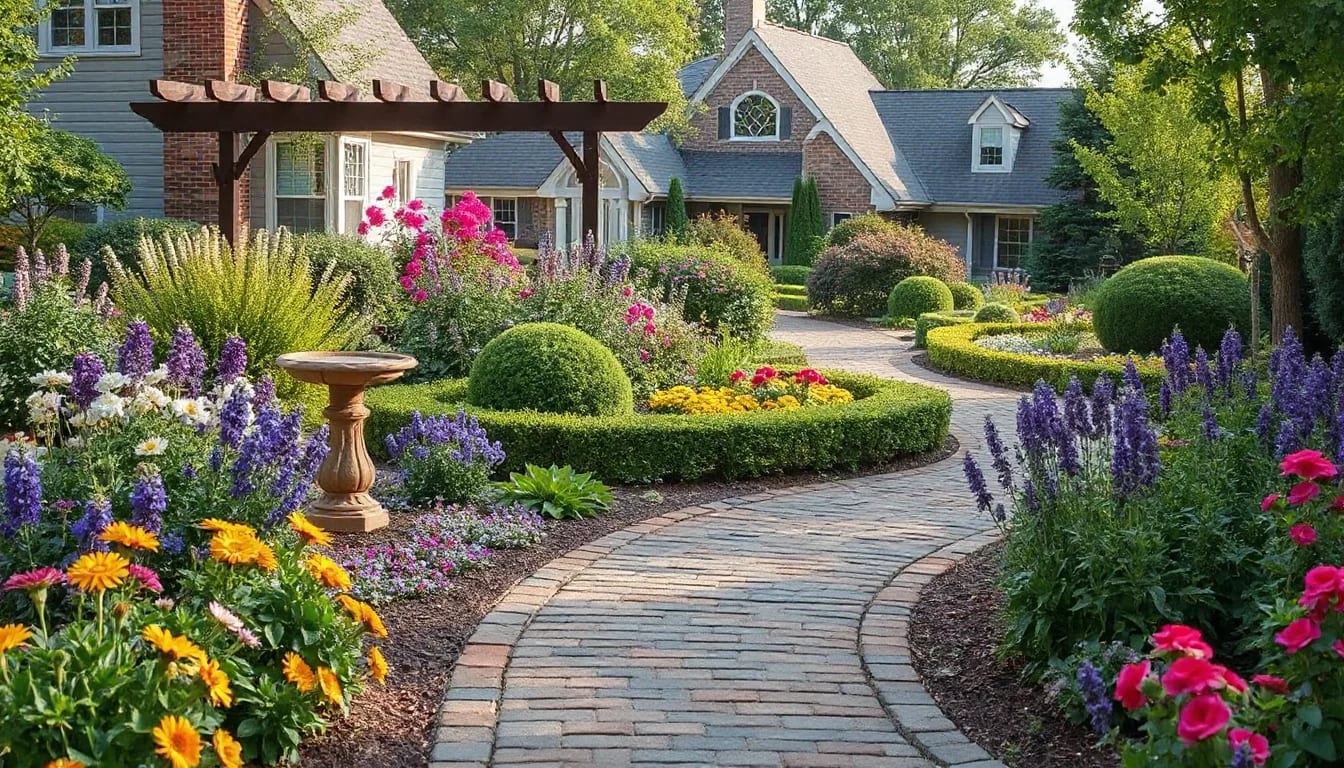
Listing photos are often a buyer’s first introduction to a Townsend home, and a thoughtful preparation plan can make every room feel clearer, brighter, and easier to understand. Focus on edited surfaces, purposeful lighting, curb appeal, and a layout that lets the camera show each space at its best. The goal is not perfection—it is helping buyers see the home’s features without distraction.
Start With the Camera’s Point of View
Before a photographer arrives, walk through the home slowly and look at every room as if you were seeing it for the first time. Listing photos flatten depth, magnify clutter, and capture details that can disappear during day-to-day living. A countertop with a few ordinary items may feel functional in person, but in a photograph it can compete with the cabinetry, workspace, or natural light that buyers should notice first.
Begin with a simple edit rather than a major makeover. Remove personal papers, cords, pet supplies, excess furniture, countertop appliances, and collections that break up visual lines. Clear the refrigerator front, bathroom vanities, bedside tables, and the floor around beds and sofas. This creates more visual breathing room and helps rooms photograph closer to their actual proportions.
It also helps to think in layers. The fixed features of the home—flooring, windows, trim, cabinets, built-ins, fireplaces, porches, and storage—should take center stage. Decorative pieces can support those features, but they should not crowd them. One bowl of fruit, a folded throw, a small plant, or a neutral tray can add warmth without making the image feel busy.
For photo day, aim to have every horizontal surface about 80 percent clear. The camera will still capture character, while buyers can more easily focus on the home’s finishes and usable space.
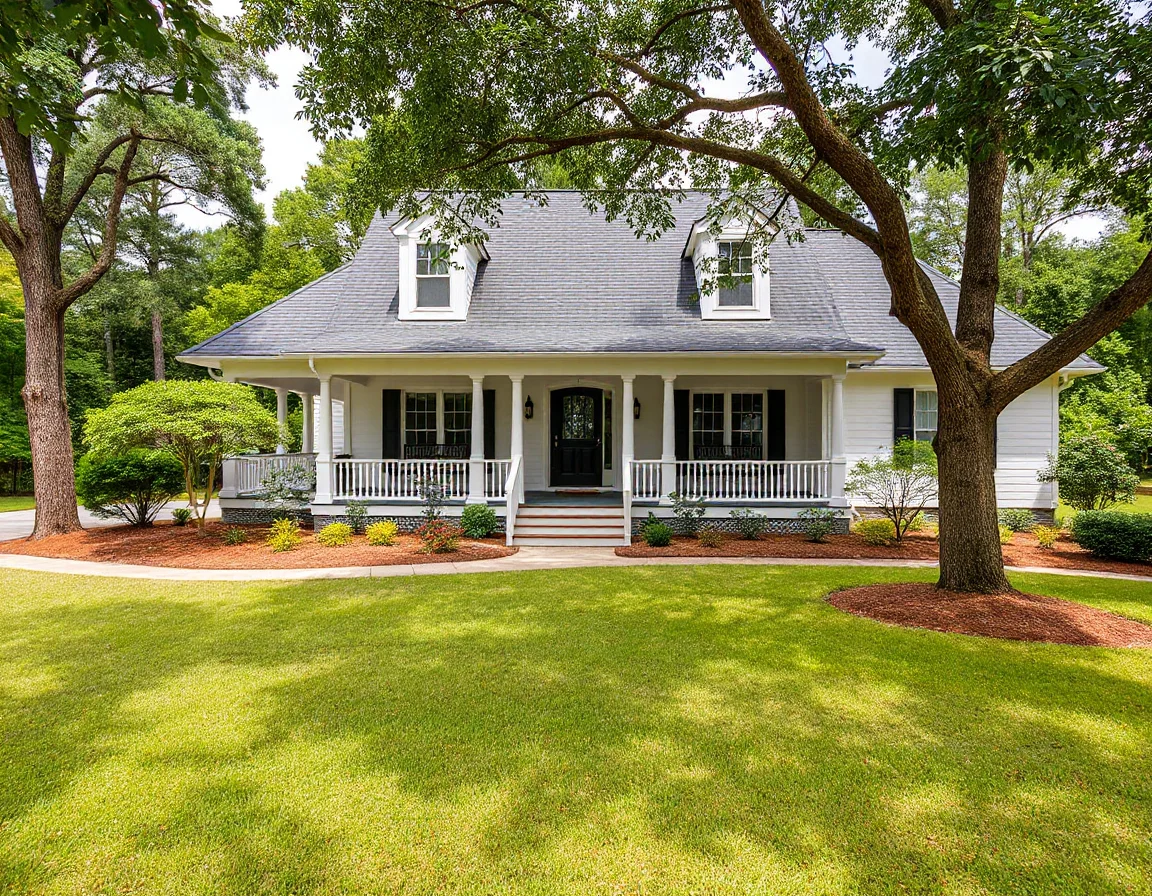
Townsend homes can range from compact properties to larger homesites with room for outdoor living, so the preparation plan should match the property. If the lot, porch, patio, workshop, detached building, or tree canopy is a selling feature, make sure access paths are open and outdoor areas are clean. Move bins, hoses, vehicles, and yard tools out of the photographer’s intended views. A few minutes of exterior editing can make a substantial difference in the first image buyers see online.
Create Bright, Calm Rooms Without Over-Staging
Light is one of the most valuable tools available on photo day. Open blinds and curtains fully unless there is an unattractive view that needs to be softened. Replace burned-out bulbs, dust light fixtures, and use matching bulb temperatures when possible. Mixed lighting can make a room appear yellow, blue, or uneven in photos, while consistent warm-white lighting generally creates a polished, natural result.
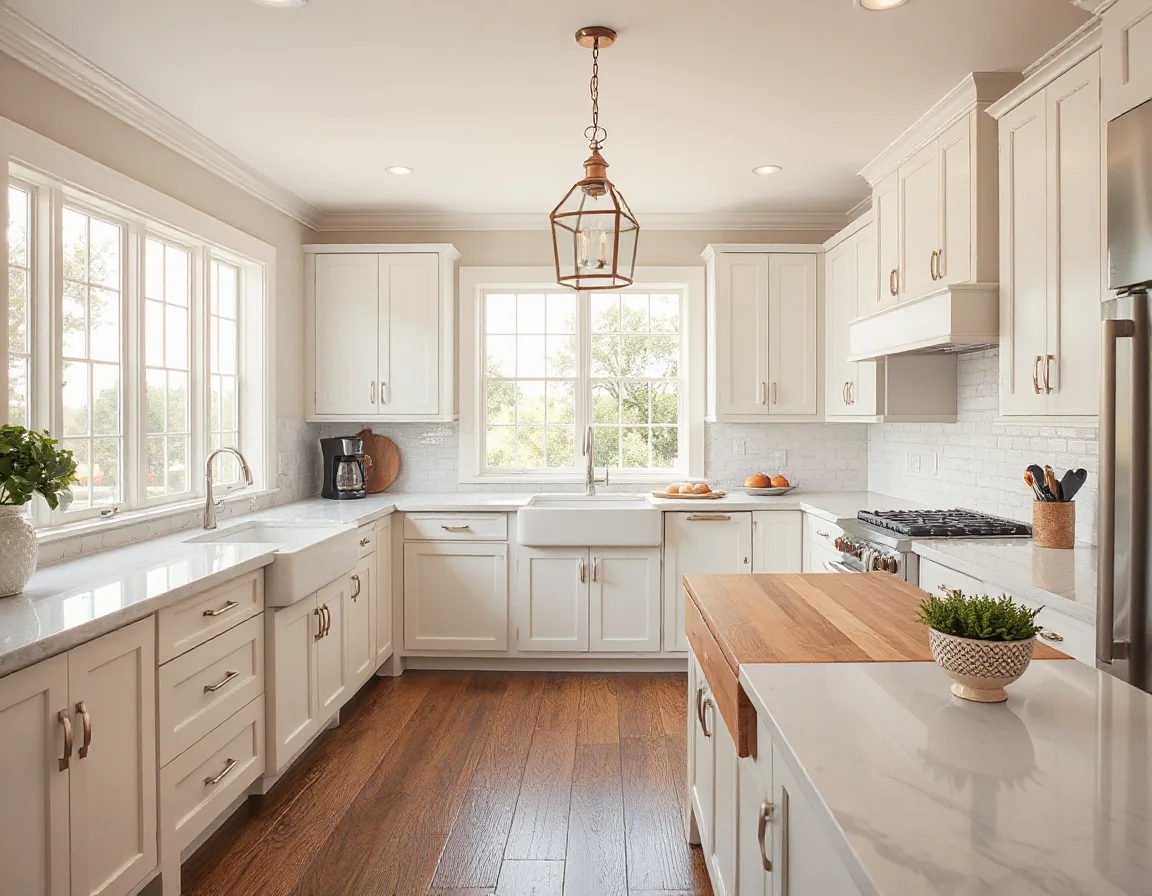
Cleanliness matters just as much as décor. Glass doors, mirrors, appliances, shower doors, ceiling fans, and baseboards can appear more prominent in high-resolution images than they do in person. Fresh towels, an empty sink, a closed toilet lid, and a shower free of bottles are small details that make bathrooms look more spacious and easier to maintain. In kitchens, put away dish racks, sponges, cleaning products, and most small appliances.
Furniture placement is another opportunity to help the camera. Pull seating slightly away from walls when space allows, straighten rugs, and make sure pathways are visible. If a room has too much furniture to photograph well, temporarily remove one or two pieces rather than trying to arrange everything tightly. The result should feel functional and inviting, with enough open floor area for buyers to understand how the room connects to the rest of the home.
Bedrooms benefit from the same approach. Use neatly made beds, coordinated bedding, uncluttered nightstands, and clear floors. Closets may be photographed if they are a notable feature, so consider thinning crowded clothing racks and organizing shelves. Buyers do not need to see every item stored in the home; they need a clear impression of the storage capacity available.
Small spaces deserve extra attention. Laundry rooms, mudrooms, hallways, and secondary bathrooms can become visual bottlenecks when they contain baskets, supplies, or personal items. Remove what you can, turn on the lights, and let the photographer determine the strongest angle. These spaces may not all receive a final listing photo, but presenting them cleanly helps the full photography appointment move efficiently.
A photo-ready home does not need to look empty. It needs to look intentional: clean lines, open walkways, balanced light, and details that support the room instead of competing with it.
Give the Exterior the Same Attention as the Interior
The exterior image often serves as the listing’s opening moment, so plan for it early. Mow or edge the lawn, sweep the porch and driveway, remove seasonal debris, and refresh any plants that look tired. If the entry is shaded, a clean doormat and a simple container planting can add definition. Check that house numbers are visible and that exterior light fixtures are free of cobwebs and dust.
Take a practical look at the driveway and all visible structures. Park vehicles elsewhere if possible, secure garbage and recycling containers, and move trailers, recreational equipment, or maintenance materials that could distract from the architecture and grounds. If there is a pool, dock, deck, screened porch, or detached garage, make those areas accessible and orderly so the photographer can capture them efficiently.
Weather can affect timing, particularly when the goal is to photograph a bright exterior and well-lit rooms. Ask your real estate professional what time of day is likely to work best for the home’s orientation. On photo day, keep blinds open, exterior lights ready, and pets comfortably out of the photographed areas. Sellers should also plan to leave during the appointment when possible, giving the photographer room to move through the home and make adjustments.
Explore selling support with Seaboard Real Estate
Prepare a Simple Photo-Day Checklist
The evening before the appointment, complete the cleaning and decluttering work so the morning is reserved for final touches. Put away daily-use items after breakfast, make beds, empty trash bins, wipe counters, and check each room from the doorway. Turn on lights as requested, open appropriate window coverings, and do a final walk around the exterior. A little preparation helps the home feel consistent from the first photo to the last.
- Clear kitchen and bathroom counters except for a few simple accents.
- Remove personal photos, paperwork, cords, and excess items from visible surfaces.
- Open blinds, replace burned-out bulbs, and use consistent lighting where possible.
- Sweep porches, patios, decks, walkways, and the driveway.
- Store bins, yard equipment, pet items, and vehicles outside of key photo views.
- Make beds, straighten rugs, fluff cushions, and keep walkways open.
Strong listing photography is not about disguising a home. It is about presenting its real features with clarity and care, from the first curb-appeal image to the final view of the backyard or porch. With an organized plan and a few strategic edits, Townsend sellers can create photographs that make online buyers want to take the next step and see the property in person.