

Before listing a McIntosh County property, focus on improvements that help buyers understand the home’s condition, maintenance, and everyday function at a glance. Thoughtful exterior upkeep, refreshed kitchens and baths, and documented repairs can strengthen a listing without turning a pre-sale project into an open-ended renovation. The most useful upgrades are often the ones that make a home feel well cared for from the first showing onward.
Start With Condition, Not a Complete Reinvention
Preparing a home for sale can invite a long list of ideas: new finishes, major additions, redesigned rooms, and every improvement that has been postponed for years. In McIntosh County, however, the strongest pre-sale strategy is usually more practical. Buyers tend to notice condition before they notice luxury, especially when evaluating homes near the coast where weather exposure, drainage, exterior materials, roofing, and mechanical systems can all influence future maintenance planning.

Begin with a clear-eyed condition review. Look for deferred maintenance that may distract from the home’s best features: peeling trim, damaged screens, loose railings, worn caulk, water staining, aging light fixtures, cracked walkways, or landscaping that obscures the entry. Addressing these items does not necessarily mean making the home look brand new. It means reducing visible question marks so prospective buyers can spend more time appreciating the layout, setting, and usable spaces.
Exterior work is often among the most visible ways to improve first impressions. Pressure washing appropriate surfaces, refreshing paint where needed, trimming overgrowth, cleaning gutters, and defining a simple entry path can make a substantial difference in listing photos and in-person visits. For homes with decks, porches, docks, or other outdoor structures, repairs should be completed with proper materials and qualified guidance. Coastal humidity and salt air can be hard on finishes and hardware, so a cosmetic fix should never substitute for addressing an underlying issue.
A polished entry, clean exterior surfaces, and clearly maintained outdoor areas shape a buyer’s first impression before they have opened the front door.
It is also wise to keep records of recent work. Invoices for roof service, HVAC maintenance, plumbing repairs, pest inspections, drainage improvements, or exterior upgrades give buyers useful context. Documentation cannot guarantee a sale price, but it can make a home’s maintenance story easier to understand during negotiations and inspections.
Refresh the Rooms That Carry the Most Weight
Kitchens and bathrooms consistently draw attention because they combine daily function with visible finishes. That does not automatically mean a full remodel is the best choice before selling. A major renovation can be costly, disruptive, and highly personal in style. Instead, focus on updates that make these spaces feel clean, functional, and easy to evaluate.
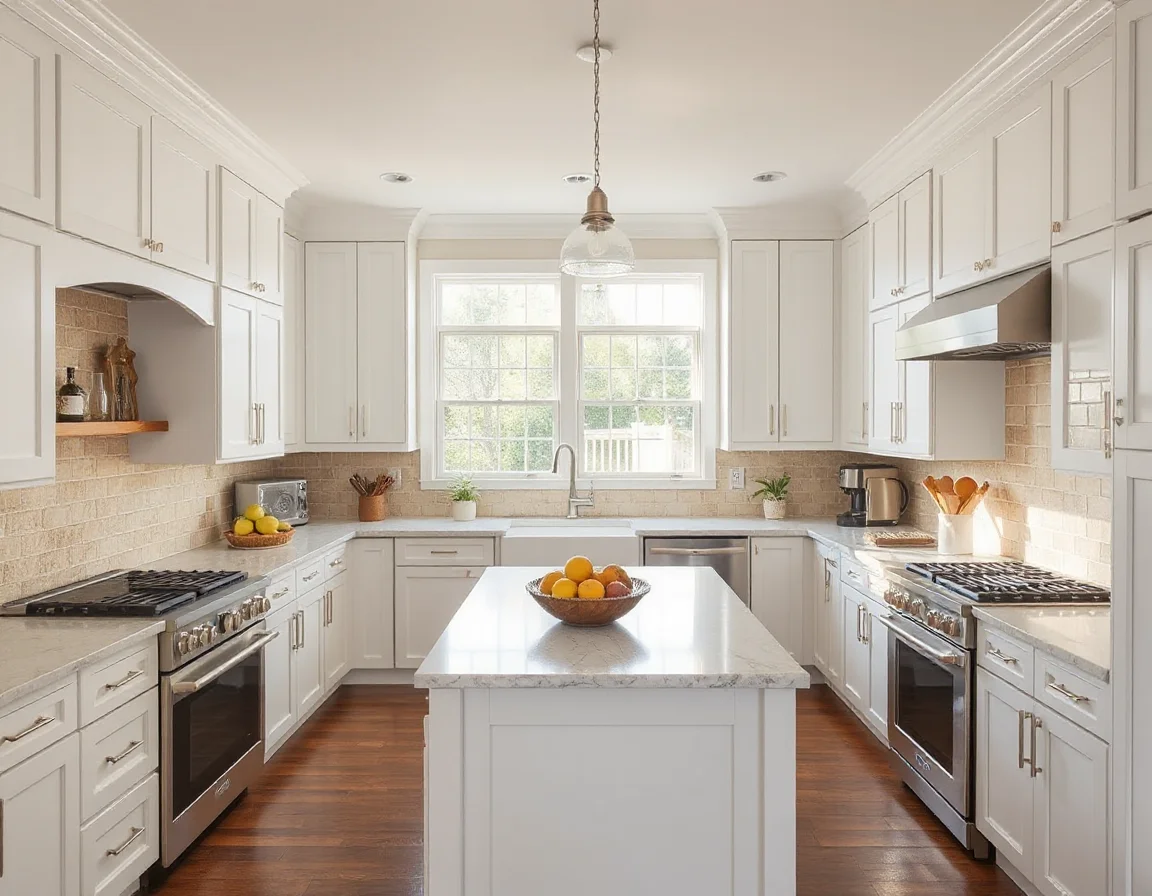
In the kitchen, a deep cleaning, cabinet hardware update, repaired drawers, modern light fixtures, and a neutral wall color may provide more practical value than replacing every cabinet. If countertops, appliances, or flooring are clearly worn or damaged, replacement may be worthwhile, but select durable, broadly appealing materials rather than highly specific design trends. The goal is a cohesive room where buyers can easily assess storage, work surfaces, lighting, and overall upkeep.
Bathrooms benefit from the same approach. Repair leaks, refresh failing grout and caulk, replace dated or damaged fixtures, ensure ventilation works properly, and remove visible clutter. A clean vanity top, a functioning fan, coordinated hardware, and bright lighting can make a compact bathroom feel more finished. If a shower surround, tub, or vanity has extensive damage, targeted replacement may be more persuasive than trying to conceal wear with accessories.
Paint remains one of the most flexible pre-sale improvements, especially when rooms have strong colors, unfinished patches, or noticeable scuffs. Neutral, light-reflective tones can help buyers see a room’s proportions and natural light. Before painting every surface, consider where the home most needs consistency: main living spaces, hallways, entry areas, and rooms with visible wear often deserve priority.
When deciding between a full remodel and a targeted refresh, prioritize repairs, lighting, clean surfaces, and consistent finishes before investing in highly customized upgrades.
Small operational details matter as well. Test doors, windows, switches, outlets, ceiling fans, smoke alarms, and plumbing fixtures. Replace burned-out bulbs with matching warm or neutral LEDs. These tasks are not glamorous, but they help a showing feel orderly and reinforce the impression that the property has been attended to carefully.
Spend Carefully on Big-Ticket Projects
Large renovations deserve a more measured decision. Replacing a roof, HVAC system, septic component, water heater, or aging electrical equipment can be important when the existing item is at the end of its useful life, has documented problems, or is likely to emerge during inspection. These projects may help protect a transaction from avoidable friction, but sellers should not assume that every dollar spent will return dollar-for-dollar in the final sale price.
Before beginning major work, compare the property’s present condition with nearby competing listings and recently sold homes. A home that is already positioned near the upper end of its immediate market may not benefit from an elaborate renovation. Conversely, a property with obvious repair needs may gain more from resolving core issues than from adding decorative upgrades. A local real estate professional can help evaluate how buyers are likely to compare the home against available options in McIntosh County.
Permits and workmanship are especially important for structural changes, electrical work, plumbing, roofing, additions, docks, and significant outdoor improvements. If permits are required, obtain them and retain final documentation. Unpermitted work or incomplete projects can complicate disclosures, inspections, appraisals, and buyer confidence. If time is limited, it may be better to complete a smaller scope properly than to rush a larger project before going on the market.
Find out what your McIntosh County home may be worth
Prepare for Photos, Showings, and Inspection Questions
Renovation choices work best when paired with thoughtful presentation. Once repairs and updates are complete, remove excess furniture, personal collections, and storage overflow so rooms feel accessible and their intended function is clear. Clean windows, open blinds where appropriate, and ensure exterior pathways and entries are free of debris. Listing photographs should show the home honestly while emphasizing its strongest spaces and outdoor features.
For coastal and marsh-adjacent properties, sellers may also want to organize information buyers commonly request: flood insurance details if applicable, elevation or survey documents, utility information, association records, septic or well documentation where relevant, and maintenance history for waterfront-related features. Providing organized information does not replace formal due diligence, but it can make the process more efficient and reduce uncertainty.
The best resale-minded renovation is not necessarily the flashiest one. It is the improvement that makes the property easier to understand, easier to maintain, and more comfortable to tour. By tackling visible condition issues, refreshing key rooms with durable finishes, and documenting major work, sellers can enter the market with a clearer story and a more confident presentation.
Talk with Seaboard Real Estate about preparing your home for sale