
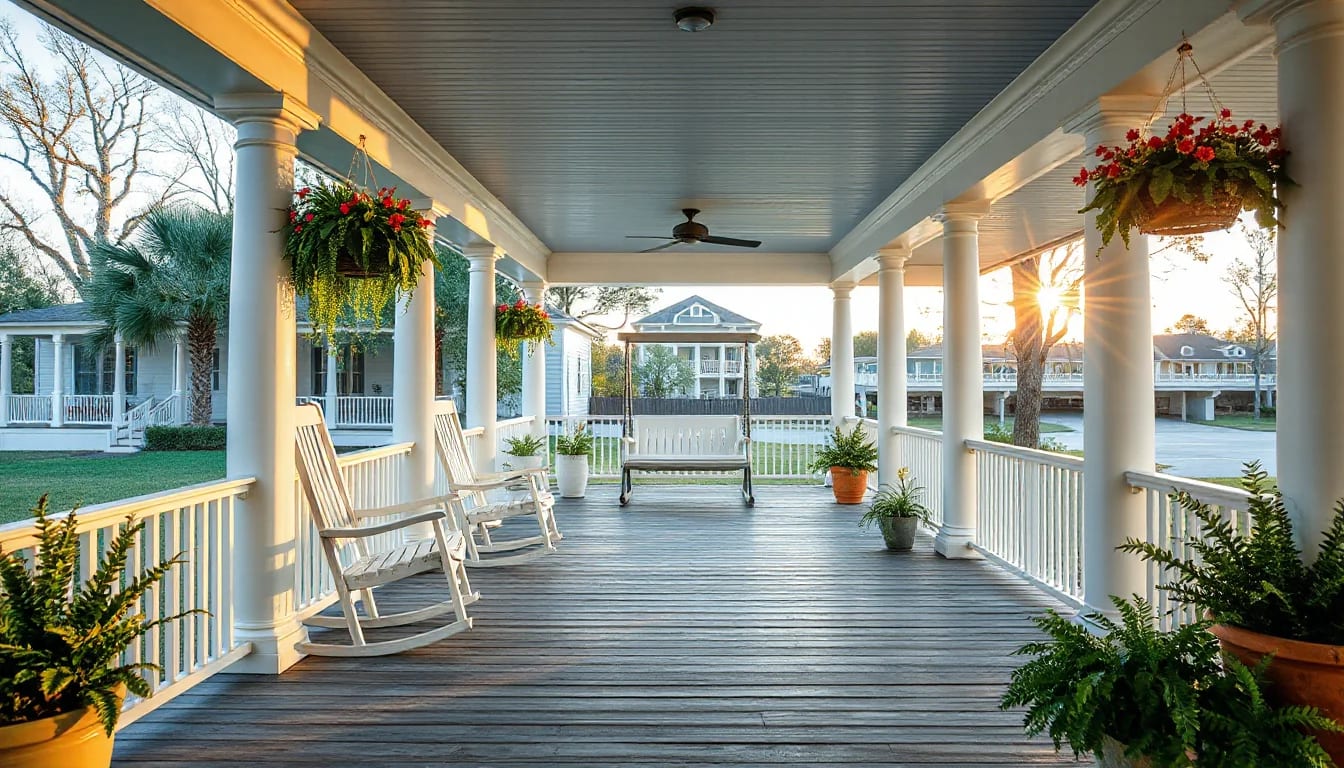
Waterfront and inland homes in McIntosh County can offer very different value propositions, even when their square footage looks similar on paper. The best comparison goes beyond the asking price: consider flood exposure, insurance, dock conditions, access, maintenance, and the features that support your everyday routine. A clear side-by-side review can help you focus on the property costs that will matter long after closing.
Why the Price Gap Is About More Than the View
McIntosh County’s coastal setting gives buyers a meaningful choice between homes near tidal rivers, marshes, creeks, and waterways and properties set farther inland. Waterfront locations often command a premium because the setting itself is limited: water access, marsh outlooks, dock potential, and the changing light across the Georgia coast are features that cannot be added later. Still, an inland property may deliver more interior space, a larger lot, or a newer home for a similar budget.
Start with the location category, not just the listing label. “Waterfront” can describe a property on deep water, a tidal creek, a marsh edge, a lagoon, or a nearby water-access community. Each can carry a different price profile and a different level of practical access. A home with a private dock may be priced differently from one with a scenic marsh view but no direct route to navigable water. Ask what the water does at low tide, whether a dock transfer is involved, and which improvements are included in the sale.
Inland homes can be compelling because the purchase price may stretch further toward the features buyers can use every day: updated kitchens, flexible rooms, garages, storage, screened porches, or larger yards. Their locations may also make it easier to compare several similar homes, which can bring more clarity to the offer process. A lower price is not automatically a better value, but it can leave room in the budget for renovations, furnishings, reserves, or future improvements.
A waterfront premium is often tied to the specific parcel, not simply the ZIP code. Compare water type, elevation information, access rights, and dock condition before using another waterfront sale as a direct benchmark.
It is also useful to separate emotional appeal from measurable property value. A view may make a home feel unforgettable, while an inland home may offer a more efficient floor plan or fewer near-term projects. Neither choice is universally better. The right comparison is the one that weighs the home’s setting against the costs, upkeep, and daily use that matter most to you.
Recurring Costs to Review Before You Compare Payments
The monthly payment is an important starting point, but coastal ownership can introduce expenses that deserve their own line items. Depending on the property, buyers may need to explore homeowners insurance, flood insurance, wind-related coverage options, utility arrangements, septic or well systems, private road responsibilities, and association fees. Costs and availability vary by property and insurer, so quotes should be based on the actual address and planned coverage rather than a broad county estimate.
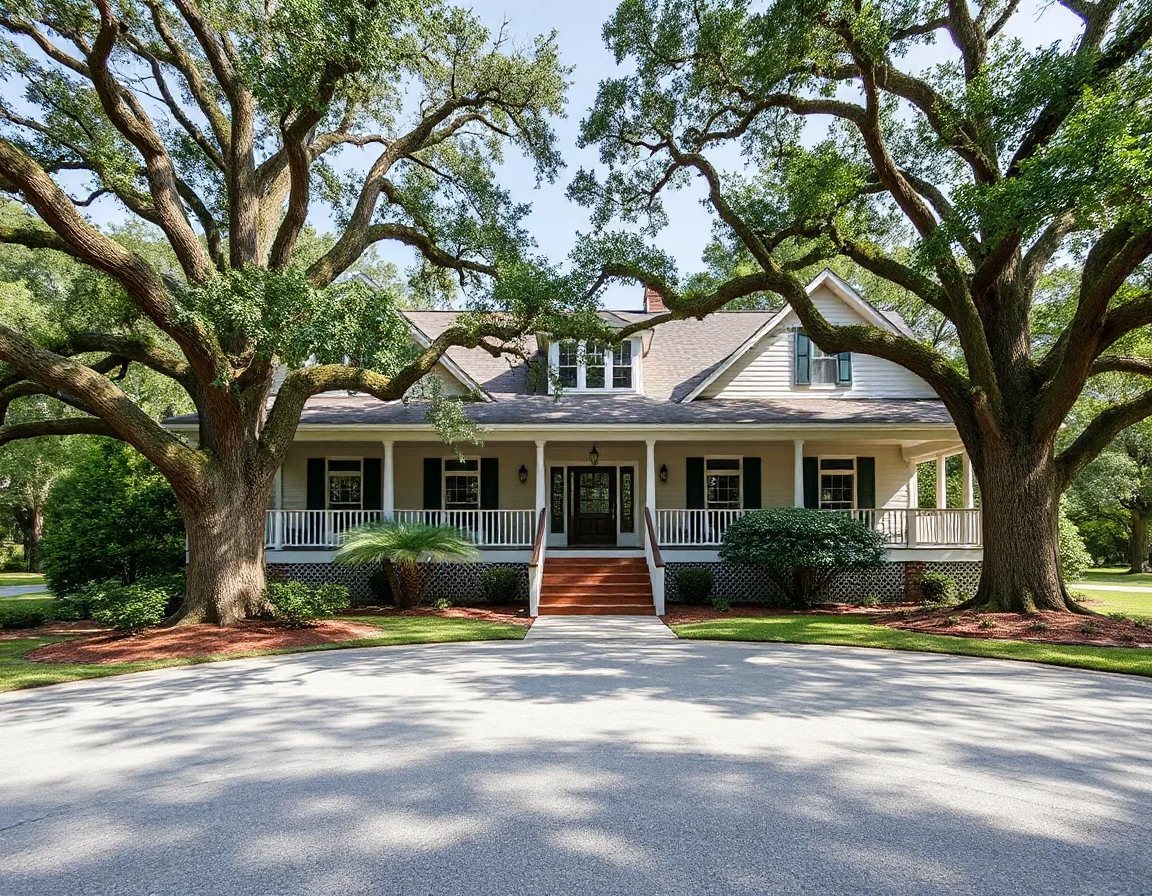
For waterfront properties, due diligence should include elevation certificates when available, flood-zone information, drainage patterns, and the condition of seawalls, bulkheads, pilings, decks, ramps, and docks. Salt air, wind, moisture, and tidal conditions can affect exterior materials over time. A thorough inspection may identify routine maintenance needs as well as larger projects that should be understood before negotiations are complete.
Inland properties have their own practical checklist. Review roof age, grading, trees near structures, driveway condition, utility service, drainage, and the age of major systems. If the home is in a community with shared amenities or roads, request the relevant association documents and budget details. Buyers comparing two homes with similar asking prices may discover that one has substantially different annual carrying costs.
Request insurance quotes early in the process, ideally before finalizing an offer strategy. Address-specific information can change the true cost comparison between two otherwise similar homes.
A realistic budget should also include reserves for maintenance. This is not about assuming that every coastal home needs major work; it is about planning with the property’s materials, systems, and exposure in mind. Homes farther inland may have fewer water-related considerations, while waterfront homes can offer features that make the additional planning worthwhile. The key is to evaluate both the immediate purchase and the ownership horizon.
Estimate your monthly home costs
How Inventory and Resale Considerations Can Differ
Waterfront inventory is often less interchangeable than inland inventory. Two homes may sit only a short distance apart yet offer entirely different water access, view corridors, dock configurations, road approaches, and exposure to tides. That uniqueness can make a carefully selected waterfront home stand out at resale, but it can also mean that valuation requires a closer look at comparable properties. A recent sale with a deep-water dock may not be the right comparison for a marsh-front home without direct access.
Inland homes may provide a broader set of comparable sales, especially where properties share similar construction styles, lot sizes, and community features. That can help buyers understand pricing and help sellers position a home competitively. However, condition still matters. A well-maintained inland home with thoughtful updates can compare favorably against a waterfront property that needs extensive work, particularly when buyers are balancing purchase price with project scope.
When reviewing listings, look beyond the number of bedrooms and baths. Note the year built, foundation type, roof age, outdoor living areas, storage, access roads, water and sewer arrangements, acreage, and any recorded rights associated with docks or waterways. These details influence not only value, but also the ease of living with the property. A side-by-side worksheet can make the tradeoffs much easier to see.
A Practical Way to Make the Choice
Begin with a complete spending range rather than a maximum offer price. Include estimated financing, insurance, taxes, association fees where applicable, inspection findings, immediate repairs, and a reserve for ongoing care. Then rank the property qualities you cannot change: location, water access, lot characteristics, travel routes, and the home’s overall condition. Features such as paint colors, fixtures, and landscaping can often be improved over time; a parcel’s setting cannot.
McIntosh County offers a wide range of settings, from coastal waterfront parcels to inland homes with room to personalize. Comparing those choices carefully helps turn a broad search into a focused one. Whether you are drawn to the rhythm of the tides or the flexibility of an inland property, a well-researched decision starts with the full cost of ownership and a clear picture of how each home supports your plans.